
Why Is Himalayan Pink Salt So Popular?

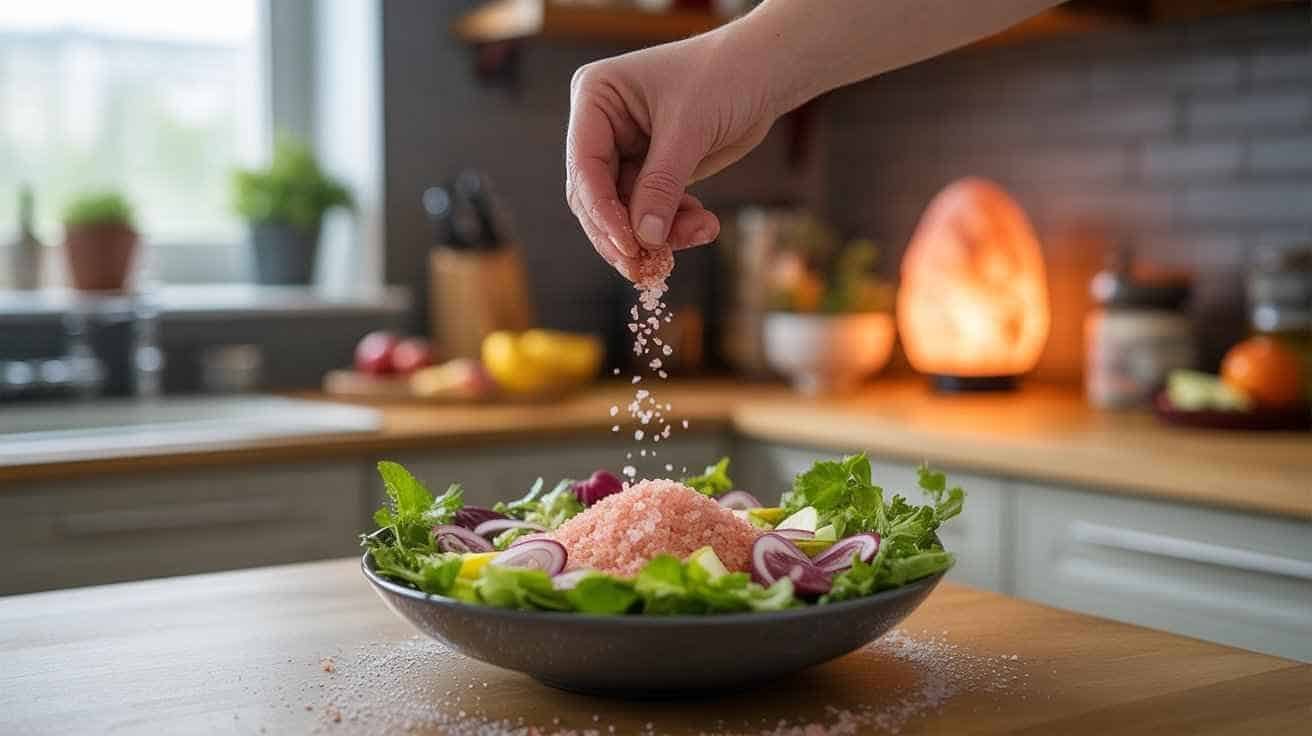
Why is Himalayan pink salt popular? This special salt, which is known for its distinctive pink color, has become very popular in recent times. However, the popularity of this salt is not only attributed to its color but also its perceived health advantages. This salt is considered a healthier option compared to normal salt, owing to its presence of natural minerals and trace elements. It is popular not only among health enthusiasts but also food enthusiasts.
What Makes Himalayan Pink Salt Pink?
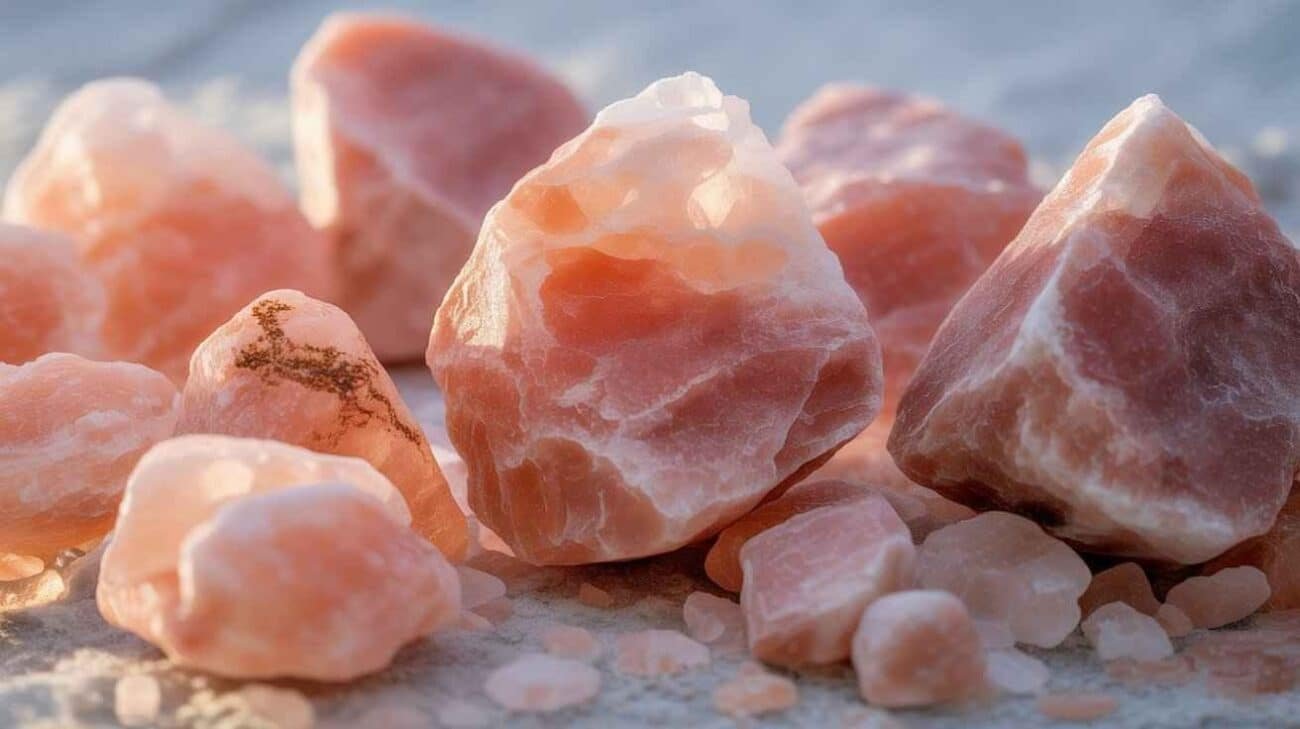
Himalayan pink salt gets its distinctive color from iron oxide, the same compound that rusts metal. Over millions of years, iron in the salt interacted with oxygen, forming the pink hue we see today. This natural process makes the color part of the salt’s authentic mineral composition, not an artificial enhancement.
In addition to iron oxide, Himalayan salt contains other trace minerals, like magnesium, calcium, and potassium, which subtly influence the shade of pink. The deeper the mineral concentration, the more vibrant the color.
Unlike table salt, which is heavily processed and refined, Himalayan pink salt retains its natural color and mineral content, offering both beauty and benefits.
Why Is Himalayan Pink Salt Better Than Regular Salt?
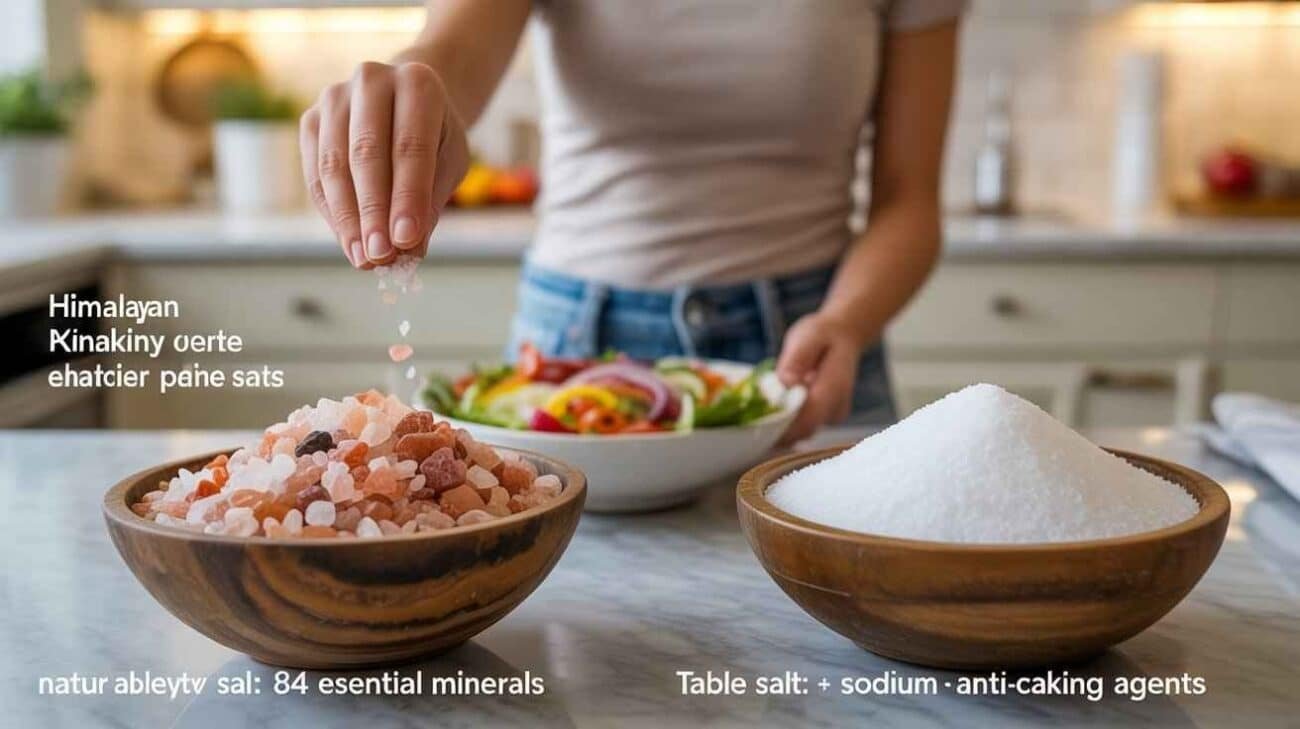
Himalayan pink salt is often considered a healthier alternative to regular table salt. While both salts contain sodium, Himalayan pink salt has a unique advantage due to its natural minerals. It is rich in trace elements like magnesium, potassium, and calcium, which are stripped away during the refining process of regular salt.
Unlike regular salt, which is heavily processed and often contains added chemicals like anti-caking agents, Himalayan pink salt remains unrefined. This means it retains all the beneficial minerals that contribute to your overall well-being. Many people also believe that the minerals in pink salt help balance the body’s electrolyte levels, offering a more holistic option for seasoning.
Himalayan pink salt is also less likely to cause high blood pressure when consumed in moderation, as its mineral content can potentially help with water retention. Its flavor is often described as milder and smoother, making it a versatile choice in cooking.
Mineral Content Breakdown Table
This table can provide a detailed breakdown of the minerals found in Himalayan pink salt and show how it compares to regular salt. This not only gives unique value to readers but also helps to back up claims about its health benefits.
| Mineral | Himalayan Pink Salt (per 100g) | Regular Table Salt (per 100g) |
| Sodium | 36,000 mg | 38,000 mg |
| Magnesium | 1,500 mg | 0 mg |
| Calcium | 1,000 mg | 0 mg |
| Potassium | 500 mg | 0 mg |
| Iron | 0.2 mg | 0 mg |
| Zinc | 0.15 mg | 0 mg |
| Copper | 0.03 mg | 0 mg |
Benefit: This table validates the health claims of Himalayan pink salt and provides concrete data that users may not find in other articles. It is an authoritative reference that adds depth and credibility to your content.
Himalayan Pink Salt vs. Regular Salt vs. Sea Salt
This table can provide an at-a-glance comparison of the three types of salt, highlighting key differences in mineral content, processing methods, health benefits, and culinary uses. It’s a powerful way to provide insights that aren’t typically presented by competitors.
| Feature | Himalayan Pink Salt | Regular Table Salt | Sea Salt |
| Mineral Content | Rich in trace minerals: Mg, Ca, K | Typically stripped of minerals | Contains some minerals, but lower than Himalayan pink salt |
| Sodium Content | Slightly lower sodium than regular salt | High sodium content | Varies depending on processing, typically lower sodium than table salt |
| Processing | Unrefined, natural | Heavily refined, often with chemicals | Less processed, but may contain additives |
| Health Benefits | Supports hydration, muscle function, bone health | Limited health benefits | Supports hydration, may contain trace minerals |
| Culinary Uses | Mild, smooth flavor; great for seasoning and finishing dishes | Stronger, more intense flavor | Coarse texture, great for seasoning and finishing dishes |
| Common Uses | Cooking, wellness, skin care, salt lamps | Cooking, preservative | Cooking, finishing dishes, bath soaks |
Benefit: This table quickly breaks down the differences and benefits in a visual and easy-to-understand way, helping users make an informed decision on which salt is right for them. It’s a valuable addition that your competitors might not have.
Why Is Himalayan Pink Salt Good for You?
Himalayan pink salt is good for you due to its unique blend of natural minerals that aren’t found in regular table salt. Unlike refined salt, which loses its nutritional value, Himalayan pink salt retains trace minerals like magnesium, calcium, potassium, and iron. These minerals can support various bodily functions, such as muscle health, hydration, and bone strength.
The mild mineral content in Himalayan pink salt is believed to help balance the body’s electrolyte levels, promoting better hydration. This can be especially beneficial after exercise or during hot weather. Some people also use it in bath salts to relax their muscles and promote skin health.
While it’s not a miracle cure, Himalayan pink salt offers a more natural way to add flavor to your food while providing essential minerals that your body needs. Just remember, moderation is key — even natural salts should be consumed in appropriate amounts to avoid excess sodium intake.
Why Is Himalayan Pink Salt Better for You Than Sea Salt?
When comparing Himalayan pink salt to sea salt, the main difference lies in their mineral content and processing methods. Himalayan pink salt is unrefined and retains over 80 trace minerals, such as magnesium, potassium, calcium, and iron. These minerals are essential for maintaining electrolyte balance, supporting hydration, and promoting muscle function.
On the other hand, most sea salt is processed and often stripped of these beneficial minerals. While it still contains some minerals, the amount is typically much lower than what is found in Himalayan pink salt.
Nutritionally, both salts contain sodium, but Himalayan pink salt provides a more natural, mineral-rich option that many believe offers extra health benefits. The mild, less harsh flavor of pink salt also makes it a preferred choice for cooking, as it enhances the taste without overwhelming dishes.
Overall, while both sea salt and Himalayan pink salt can be part of a balanced diet, the extra minerals in Himalayan salt make it a healthier, more beneficial option.
The Advantages of Using Himalayan Pink Salt
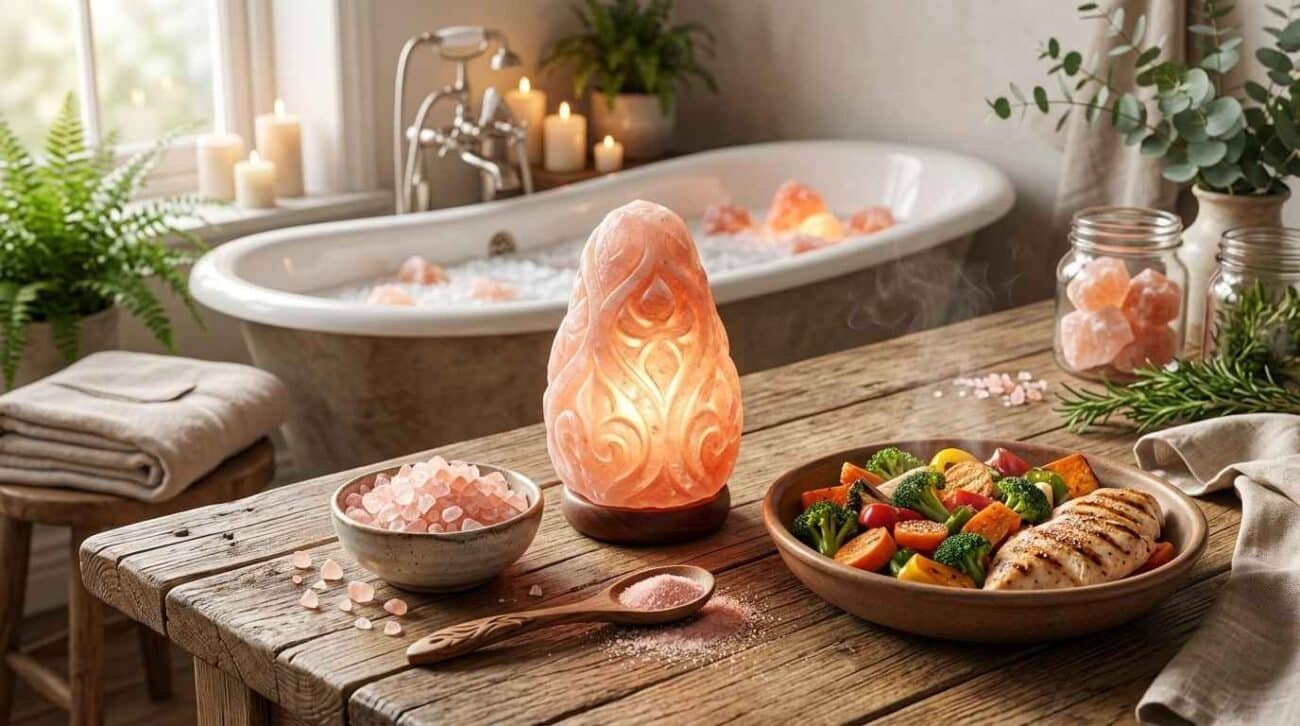
Himalayan pink salt offers a variety of mineral benefits that make it a healthier choice than regular salt. Packed with essential minerals like calcium, magnesium, and potassium, it supports muscle function, bone health, and overall hydration. These trace minerals play an important role in maintaining electrolyte balance in the body, helping you feel energized and refreshed.
In addition to its health benefits, Himalayan pink salt enhances the taste of your dishes. Its milder, smoother flavor makes it perfect for seasoning a wide range of meals, from salads to meats, without overpowering the taste. Its versatility also extends to use in cooking and as a finishing touch for your meals.
Beyond the kitchen, Himalayan pink salt is a popular choice for skin and beauty applications. Used in bath salts, it can help soothe muscles and promote relaxation, offering a spa-like experience at home. Salt lamps made from Himalayan pink salt are also believed to improve air quality and provide a calming ambiance in your living space.
Himalayan Pink Salt Uses: From Kitchen to Wellness
This table could help users understand the versatility of Himalayan pink salt in a quick, structured way. It would show various ways to incorporate pink salt in different aspects of life.
You can find a USB Himalayan Salt Lamp with Touch Dimmer Control to enjoy both the health benefits and the peaceful ambiance it offers.
| Use Case | Application | Benefits |
| Culinary | Seasoning for meats, vegetables, salads | Enhances flavor without overpowering; natural mineral content |
| Skin Care | Bath soaks, exfoliating scrubs | Soothes skin, reduces inflammation, exfoliates dead skin cells |
| Home Decor | Salt lamps, salt blocks for grilling | Improves air quality, creates calming ambiance |
| Wellness | Hydration, electrolyte balance | Supports muscle health, hydration, bone strength |
| Health | Detoxifying bath, respiratory benefits | Promotes relaxation and skin health, helps with asthma relief |
Benefit: This table gives users a comprehensive overview of how Himalayan pink salt can be used beyond cooking, offering practical insights that your competitors likely haven’t detailed in such a structured format.
Is Himalayan Pink Salt Worth It?
Himalayan pink salt has gained immense popularity, but is it truly worth the extra cost? Let’s start by debunking some common myths. Many believe that Himalayan pink salt is significantly healthier than regular salt due to its mineral content. While it does contain trace minerals like magnesium, calcium, and potassium, the amounts are too small to make a dramatic difference to your health when used in typical amounts.
When evaluating whether the benefits outweigh the cost, it’s important to consider the overall value. While it may offer a slightly better taste and some mineral content compared to regular salt, the price difference may not justify it for everyone. However, for those who prioritize natural products and prefer a salt with fewer additives, it can be a valuable purchase.
For health-conscious consumers, Himalayan pink salt can be worth it if you enjoy its flavor, believe in its minor health benefits, or appreciate its versatility in culinary and wellness applications. But if you’re on a budget or focused solely on health benefits, regular salt may serve just as well.
Why Is Himalayan Pink Salt Not Good for You?
While Himalayan pink salt has many benefits, it’s important to understand the potential risks of overconsumption. Like any salt, too much of it can be harmful to your health. The main concern is excessive sodium intake, which can lead to serious health issues such as high blood pressure, heart disease, and even stroke.
Consuming too much salt, regardless of the source, puts a strain on your cardiovascular system. Excess sodium can cause your body to retain more water, increasing blood volume and raising blood pressure. This, in turn, can increase your risk of developing heart-related diseases.
Despite the trace minerals that make Himalayan pink salt unique, it doesn’t make it a free pass for unlimited consumption. In most cases, regular salt is just as effective for meeting your sodium needs, and Himalayan salt may not offer significant health advantages in all situations.
What Are the Benefits of Himalayan Pink Salt for Skin?
Himalayan pink salt is praised for its potential benefits in skin care. It’s believed to help with conditions like eczema due to its anti-inflammatory properties. Adding Himalayan pink salt to a warm bath can help soothe irritated skin, reduce inflammation, and promote relaxation. Many people report feeling relief from itching and redness after using it in their skincare routines.
Bath soaks, scrubs, and even salt lamps are commonly used for skin health. The minerals in Himalayan pink salt, such as magnesium, can help nourish the skin and promote hydration. Scrubs made with this salt can exfoliate the skin, removing dead cells and leaving the skin feeling smooth and refreshed.
As for improving skin texture, while there’s no magic cure, regular use of Himalayan pink salt can contribute to a healthier-looking complexion by promoting better circulation and skin renewal. It’s a natural option for those looking to improve their skin health without harsh chemicals.
What Are the Benefits of Himalayan Pink Salt for Skin?
This table compares the effectiveness of Himalayan pink salt for skin care with other popular skin treatments, highlighting its unique benefits for those considering it for external use.
| Treatment | Effectiveness for Skin Care | Benefits for Skin | Common Use |
| Himalayan Pink Salt | Effective for soothing skin irritations like eczema, acne | Anti-inflammatory, exfoliates, hydrates skin | Bath soaks, scrubs, salt lamps |
| Coconut Oil | Good for moisturizing | Rich in fatty acids, deeply hydrates skin | Moisturizer, hair care |
| Aloe Vera Gel | Soothes and heals skin | Anti-inflammatory, promotes healing | Sunburn relief, moisturizing |
| Tea Tree Oil | Effective for acne treatment | Antibacterial, reduces inflammation | Spot treatment, acne care |
| Honey | Good for moisturizing | Antioxidants, antibacterial | Face masks, moisturizers |
Benefit: This table offers a direct comparison between Himalayan pink salt and other common skin treatments, showing why pink salt is a unique option for readers seeking natural alternatives.
Is Himalayan Pink Salt Good for Your Health?
Himalayan pink salt is often praised for its health benefits due to its natural minerals like calcium, magnesium, and potassium. These trace elements can support hydration, muscle function, and bone health, making it a more nutrient-rich option than regular table salt. It is also unrefined, meaning it retains these essential minerals without the addition of chemicals or anti-caking agents.
When compared to sea salt and table salt, Himalayan pink salt stands out for its mineral content, but the nutritional differences are relatively small. All salts contain sodium chloride, which is the main factor influencing blood pressure and overall health. While Himalayan salt may offer slight advantages in terms of mineral intake, the health impact of consuming it in moderation is minimal.
In conclusion, Himalayan pink salt can be part of a healthy diet, but it’s important to remember that its health benefits are not extraordinary when compared to other salts. Moderation is key for maintaining a balanced sodium intake for optimal health.
Is Himalayan Pink Salt Better for You in Cooking?
Himalayan pink salt is increasingly becoming a preferred choice for culinary enthusiasts due to its unique flavor and mineral content. Its mild yet rich taste enhances dishes without overpowering them, making it ideal for a wide range of recipes. From seasoning meats and vegetables to adding a finishing touch to salads, Himalayan pink salt’s versatility in cooking sets it apart from regular table salt.
One of the reasons it’s favored is its natural mineral composition, including trace elements like magnesium and potassium, which many believe contribute to a more balanced flavor profile. As a result, it’s often used by chefs and home cooks alike, who prefer the salt’s ability to bring out the natural taste of ingredients.
While it’s a great choice for many dishes, you don’t need to use Himalayan pink salt for every meal. It works best in dishes where its crunchy texture and mild flavor can shine, but for basic seasoning, regular salt may still be a more practical option.
Final Thoughts on Himalayan Pink Salt
Himalayan pink salt offers numerous health benefits, such as supporting electrolyte balance, improving hydration, and providing trace minerals like calcium, magnesium, and potassium. Its natural, unrefined form makes it a better choice than regular salt for those seeking fewer additives and more nutrients in their diet. Many people also find that it enhances the flavor of dishes, making it a versatile addition to your cooking.
However, it’s important to be mindful of the risks associated with excessive salt consumption, including high blood pressure and heart disease. While Himalayan pink salt does contain beneficial minerals, it should still be used in moderation, just like any other salt.
Incorporating Himalayan pink salt into your diet is easy. You can sprinkle it on salads, meats, or vegetables, or use it in cooking and baking. To enjoy the full benefits, consider adding it to bath soaks or scrubs for a relaxing, skin-nourishing experience. Just remember to use it mindfully, balancing it with a healthy, low-sodium lifestyle.
FAQs
What Are the Health Benefits of Himalayan Pink Salt?
Himalayan pink salt is rich in trace minerals like magnesium, calcium, and potassium, which can support hydration, muscle function, and bone health. It’s considered a healthier alternative to regular salt due to its natural mineral content and lower processing.
Is Himalayan Pink Salt Better Than Regular Salt?
Himalayan pink salt contains natural minerals that regular table salt lacks. While both salts contain sodium, Himalayan salt offers additional trace elements that may benefit your electrolyte balance and overall well-being, but should still be consumed in moderation.
Can Himalayan Pink Salt Help with Skin Conditions?
Yes, Himalayan pink salt is believed to have anti-inflammatory properties, which may help soothe conditions like eczema. Adding it to bath soaks or using it in scrubs can improve skin texture and hydration by removing dead skin cells and promoting circulation.
Is Himalayan Pink Salt Good for Cooking?
Himalayan pink salt is a great option for cooking due to its mild flavor and mineral richness. It enhances the taste of various dishes without overpowering them. Use it in meats, vegetables, or as a finishing touch for salads and other meals.
Does Himalayan Pink Salt Contain Iodine?
Himalayan pink salt contains only trace amounts of iodine, unlike iodized table salt, which is enriched with iodine to prevent deficiencies. If you need more iodine in your diet, consider adding other sources like seafood or iodized salt.
Is Himalayan Pink Salt Good for Your Health?
Himalayan pink salt can be beneficial due to its trace minerals, but the health benefits are modest compared to regular salt. It may aid hydration, support electrolyte balance, and offer a milder taste, but should be used in moderation to avoid excessive sodium intake.
Can You Use Himalayan Pink Salt for Bath Soaks?
Yes, Himalayan pink salt is commonly used in bath soaks to help relax muscles, reduce inflammation, and promote skin health. It’s a natural way to soothe and hydrate the skin after a long day.