
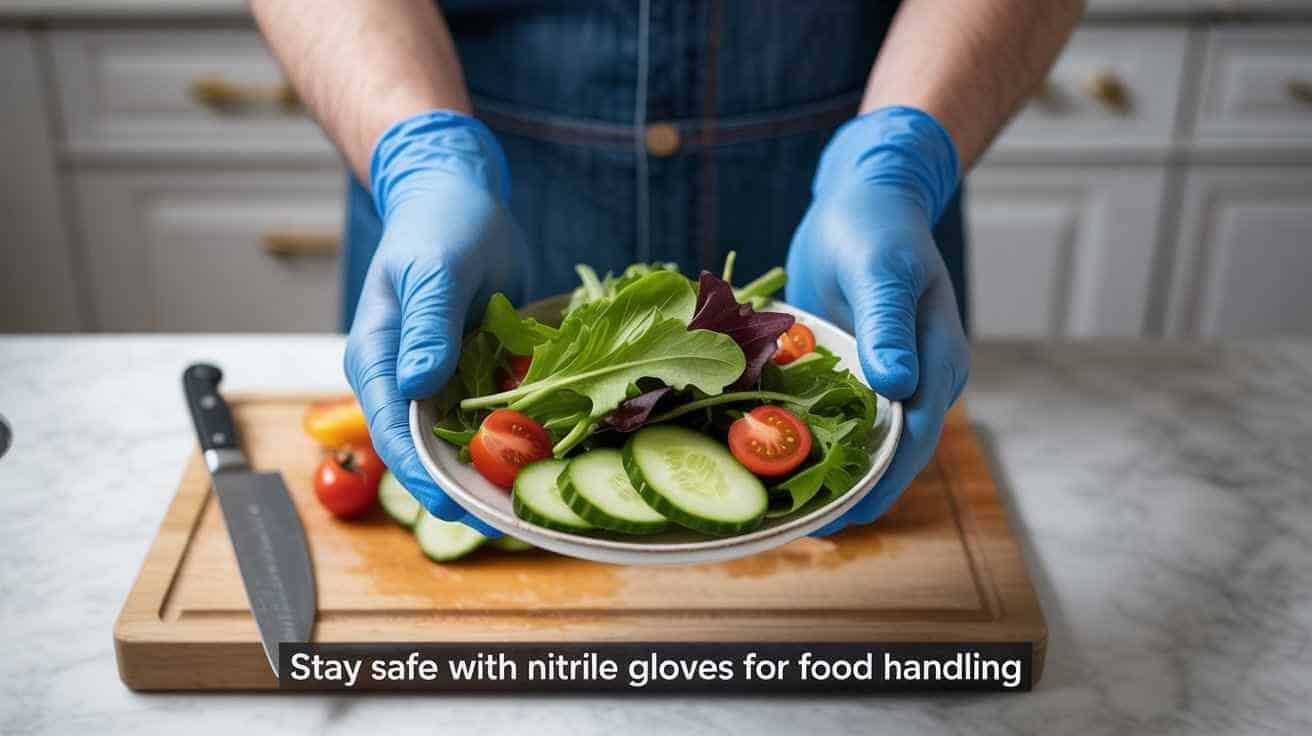
Stay Safe with Nitrile Gloves for Food Handling – Buy Now!

Introduction
When selecting nitrile gloves for food handling, it is important to consider the benefits they offer over alternatives, such as their safety and food-grade quality. Top manufacturers and suppliers in Europe provide high-quality options, ensuring an informed choice for food safety.
These gloves not only protect against contaminants but also enhance hygiene during food preparation. Whether you’re a professional or at home, choosing the right gloves is crucial for maintaining safety and hygiene. Nitrile gloves are the preferred option for many due to their durability and comfort, making them the ideal solution for food handling tasks.
Nitrile Gloves for Food Handling: The Top Choice
When it comes to food handling, nitrile gloves are the best option for maintaining hygiene and safety. Their chemical resistance and durability make them a reliable choice for professionals in industries like food production, food service, and healthcare. Unlike latex gloves, nitrile gloves are synthetic, offering a hypoallergenic solution for individuals with latex allergies.
They provide a strong barrier against contaminants and are highly resistant to punctures and tears, ensuring that food handling remains safe and efficient. These gloves are designed for frequent glove changes, adding to their convenience.
For food safety and reliable protection, nitrile gloves are often preferred over other types like vinyl gloves. Their non-latex composition makes them an excellent choice for food handling tasks that demand high standards of hygiene. With the in-depth benefits of nitrile, they provide the protection needed for everyday tasks.
If you’re looking for a pair that provides strong protection without compromising comfort, nitrile gloves are the solution. Discover the strength and reliability of these gloves by visiting our product page.
Essential Features of Nitrile Gloves for Food Safety
When choosing nitrile gloves, keep these key features in mind to ensure they suit your needs.
- Food-Safe Certification: Look for nitrile gloves that meet the EN 1186 safety standard to ensure they are suitable for food handling.
- Powder-Free: Opt for powder-free nitrile gloves to prevent residue contamination and maintain cleanliness.
- Grip and Texture: Nitrile gloves with textured fingertips or palms enhance grip, ensuring better control when handling slippery foods.
- Thickness and Durability: Choose gloves with a thickness between 2.5 and 5 mils for a balance between sensitivity and puncture resistance.
- Sizing Options: Select gloves that fit snugly without being too tight to preserve dexterity and reduce the risk of tearing.
Nitrile Gloves vs. Alternatives: Which is Best for You?

| Feature | Nitrile Gloves | Vinyl Gloves | Latex Gloves |
| Durability | Exceptional – Long-lasting and tear-resistant | Moderate – Prone to wear and tear | High – Strong but less resistant to damage over time |
| Food Safety | Top-Tier – Ideal for high hygiene standards | Good – Suitable for non-hazardous food handling | Good – May not meet the highest food safety standards |
| Allergy-Friendly | 100% Latex-Free – Perfect for sensitive skin | Latex-Free – Safe for those with latex allergies | Not Allergy-Friendly – Contains latex, which may cause allergic reactions |
| Chemical Resistance | Superior – Offers excellent protection from harmful chemicals | Limited – Provides minimal protection | Moderate – Effective for some chemicals but not all |
| Cost | Affordable – A cost-effective choice for premium protection | Low – Budget-friendly but less durable | Moderate – Reasonably priced but may require more frequent replacements |
Choose the Best Food Service Nitrile Gloves for Your Needs
Nitrile gloves are vital for maximizing food safety, improving work efficiency, and ensuring optimal satisfaction. Below is a comprehensive guide to selecting the best nitrile gloves tailored to your specific use cases.
Best Nitrile Gloves for Safe Meat & Seafood Handling
- Chemical Resistance: Choose nitrile gloves with excellent chemical resistance to protect against bacteria, oils, and residues when handling raw poultry and seafood.
- Grip and Texture: Look for textured fingertips to securely handle slippery surfaces, such as raw poultry and seafood, ensuring a firm grip throughout extended use.
- Thickness for Durability: Opt for nitrile gloves with a thickness of 4-6 mils to prevent punctures from bones or shells while maintaining flexibility for precise tasks like deboning.
- Protection Against Contamination: Nitrile gloves offer superior protection to minimize the risk of contamination during heavy-duty tasks in meat processing or seafood preparation.
- Comfort and Dexterity: Nitrile gloves provide a comfortable fit that allows for extended use, offering a balance between strength and sensitivity to maintain control and safety.
Top Nitrile Gloves for Safe Fruit & Vegetable Prep
- Tactile Sensitivity: Opt for thin gloves (2.5-3.5 mils) that offer enhanced sensitivity for precise handling of delicate produce like avocados, allowing for slicing, peeling, and garnishing with ease.
- Food-Safe Certification: Ensure gloves are FDA-approved and comply with food-safe certification standards to prevent the transfer of harmful substances during food preparation.
- Snug Fit for Control: Choose snug-fitting gloves to improve control and reduce fatigue while working on intricate tasks like slicing and peeling fruits and vegetables.
- Flexibility and Durability: Nitrile gloves offer the flexibility needed for precise tasks without sacrificing durability, making them ideal for long periods of use.
- Hygienic and Safe: Nitrile gloves provide an excellent barrier against contaminants, ensuring safe food handling during all stages of fruit and vegetable preparation.
Best Nitrile Gloves for Safe Baking & Pastry Prep
- Powder-Free Design: Choose powder-free nitrile gloves to avoid contamination of your dough, batters, and icing, ensuring cleanliness and hygiene.
- Dexterity & Comfort: A snug fit offers the dexterity needed for intricate tasks like piping frosting or shaping dough without restricting movement.
- Heat Resistance: Heat-resistant gloves provide essential protection when handling warm pastries or trays, allowing for short-term use without discomfort.
- Precision in Baking: For tasks requiring precision, such as decorating cakes or shaping dough, nitrile gloves provide the necessary comfort and control.
- Safe and Clean: Protect your hands from unwanted residues while maintaining cleanliness and safety throughout your baking and pastry prep.
Best Nitrile Gloves for Safe Handling of Oily Foods
- Oil Resistance: Choose nitrile gloves with excellent oil resistance to prevent breaking down when exposed to fats and oils, keeping them intact during food prep.
- Grip and Control: Textured surfaces on nitrile gloves provide a secure grip for handling slippery ingredients like butter and marinated meats, ensuring better control.
- Durability: Durable nitrile gloves are designed to withstand prolonged exposure to greasy substances without degrading, making them perfect for heavy-duty tasks.
- Food-Safe Protection: For tasks like seasoning meats, nitrile gloves provide food-safe protection, preventing contamination and keeping your hands clean and safe.
- Comfort and Flexibility: With a snug fit and flexibility, nitrile gloves help maintain comfort and precision, whether you’re seasoning or handling delicate items.
Best Nitrile Gloves for Safe Ready-to-Eat Food Serving
- Food-Safe Certification: Ensure nitrile gloves are food-safe certified, making them ideal for direct contact with prepared foods to maintain hygiene.
- Comfort and Ease of Use: Choose lightweight and breathable gloves that reduce fatigue during long shifts, offering maximum comfort for the catering staff.
- Single-Use Convenience: Single-use gloves are easy to put on and remove, streamlining the food handling process while maintaining hygiene standards.
- Balance of Comfort and Safety: Nitrile gloves provide a perfect balance between comfort and food safety, crucial for tasks like sandwich assembly.
- Durability for Extended Use: These gloves are designed for long shifts, ensuring they remain intact and protect hands from contaminants during prolonged use.
Best Nitrile Gloves for Safe Food Packaging & Assembly
- Tear Resistance: Choose nitrile gloves with tear resistance to ensure reliable protection against contamination during high-paced environments like food production facilities.
- Durability for Prolonged Wear: These gloves must withstand repetitive motions and prolonged wear, ensuring they don’t tear or degrade over time.
- Comfort and Fit: A snug fit and comfort are essential for dexterity during repetitive tasks, making nitrile gloves ideal for food packaging and assembly lines.
- Prevent Contamination: Proper tear resistance prevents contamination and protects workers from exposure to foodborne risks, ensuring hygiene and safety.
- Reliable for Long Shifts: Nitrile gloves are designed to be reliable during long shifts, providing consistent protection and comfort throughout the day.
Top Nitrile Gloves Practices for Safe Food Handling
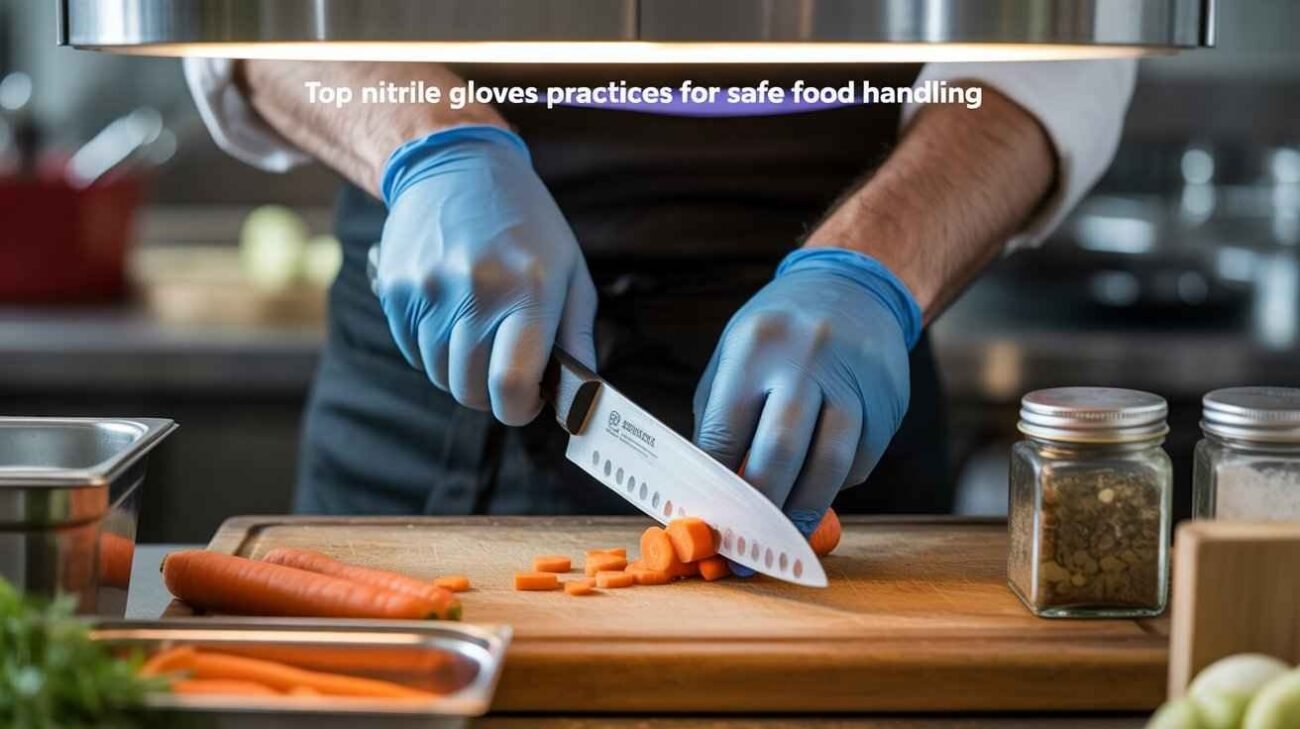
- Wash Hands Thoroughly: Always wash your hands and dry them completely before wearing nitrile gloves to help minimize contamination and ensure hygiene.
- Change Gloves Regularly: Change gloves between tasks or after handling raw meat, fish, or other allergenic foods to prevent cross-contamination.
- Proper Disposal: After use, make sure to dispose of gloves properly in designated bins to avoid cross-contamination and reduce the risk of foodborne diseases.
- Maintain Safety Standards: Consistently maintain food safety practices to prevent the spread of harmful bacteria and ensure clean handling throughout food preparation.
Conclusion
Ensure the highest level of food safety and hygiene with Nitrile Gloves for Food Handling. Whether you’re working with raw meat, vegetables, or prepared foods, nitrile gloves provide the durability, comfort, and protection you need. Don’t compromise on safety—buy now and experience the reliability of the best nitrile gloves available!
FAQ
Are nitrile gloves safe for all types of food handling?
Yes, nitrile gloves are generally safe for handling all types of food, including raw meat, vegetables, and baked goods, as long as they meet proper food safety certifications like EN 1186 and FDA approval.
Can nitrile gloves be used for hot food handling?
Nitrile gloves offer some heat resistance but are not designed for direct contact with hot
surfaces or foods. For tasks requiring heat resistance, consider using specialized gloves in combination with nitrile gloves.
How can I tell if nitrile gloves are truly food-safe?
Look for certifications such as EN 1186, FDA approval, or other regional compliance markings to ensure that nitrile gloves are tested for safe use with food.
Do nitrile gloves come in eco-friendly or biodegradable options?
While traditional nitrile gloves are not biodegradable, some manufacturers offer eco-friendly nitrile gloves designed to decompose faster. Look for product lines labeled as sustainable.
Can I reuse disposable nitrile gloves for food handling?
No, disposable nitrile gloves are intended for single use only. Reusing gloves can compromise hygiene and increase the risk of contamination.
How should nitrile gloves be stored to maintain their quality?
Store nitrile gloves in a cool, dry place away from sunlight, heat, and chemicals. Extreme conditions can degrade their performance and reduce durability.
What should I do if a nitrile glove tears during use?
Immediately remove and dispose of the torn glove, wash your hands thoroughly, and replace it with a new one. Regularly inspect gloves for tears to avoid contamination.
Are there colored nitrile gloves specifically for food handling?
Yes, colored nitrile gloves such as blue or black are often used in food handling for easier detection of tears or contamination. They are commonly used in food processing environments.
Can nitrile gloves cause skin irritation after prolonged use?
Nitrile gloves are generally hypoallergenic and unlikely to cause irritation. However, if you have sensitive skin, look for gloves with skin-conditioning features such as aloe or chamomile coatings.
Are thicker nitrile gloves always better for food handling?
Thicker nitrile gloves (above 5 mils) offer better durability but may reduce tactile sensitivity, which is crucial for precise food handling. Choose gloves that balance thickness and dexterity based on the task.
What is the shelf life of nitrile gloves?
Nitrile gloves typically have a shelf life of 3-5 years if stored properly. Always check the packaging for specific expiration dates to ensure maximum effectiveness.
Can nitrile gloves protect against oils and grease in food preparation?
Yes, nitrile gloves are resistant to oils, grease, and many chemicals, making them an excellent choice for handling greasy foods and preparing food with oil-based substances.
Are there nitrile gloves designed for people with sweaty hands?
Yes, some brands offer nitrile gloves with moisture-wicking liners or powder-free options to enhance comfort during prolonged use, reducing discomfort caused by sweating.
Read More: Himalayan Salt Stone Massage: 10 Powerful Relaxing Benefits