
Blog
Blue Salt vs Other Salts: 7 Shocking Benefits Revealed

Introduction
Salt remains a basic necessity supporting human life and essential body functions, yet choosing the right type of salt matters daily. Many people consume various options across the market, exploring origins and unique benefits shaping healthier decisions today. This overview highlights how salt, table salt, sea salt, pink Himalayan salt, and Blue Salt vs Other Salts influence everyday dietary choices.
This section will provide an overview explaining different types of salt available in the market and why each option is crucial for our bodies. Have you ever heard discussions comparing the type of salt we consume, revealing unique benefits and real nutritional advantages? We explore meaningful contrasts, including noticeable differences; however, avoiding confusion and clarify different types of readers that they may have ever heard before.
Popular Salt Alternatives: Shocking Hidden Flaws

Many consumers share a love-hate relationship with salt, appreciating its immense flavor and source of immense flavor in everyday meals. However, growing awareness of the health impact, health impact of a high sodium diet, and high sodium diet encourages people to reduce salt intake amid a push to reduce salt intake.
The the growing popularity of alternative salts highlights noticeable benefits when compared to traditional options, yet concerns around risk of impurities and risk of impurities remain.
Popular options like sea salt, pink salt, and table salt maintain strong culinary importance, but their processing and additives linked to table salt raise disadvantages due to mineral loss and additives. These alternatives show meaningful differences compared to traditional choices, shaping a complex relationship with dietary habits while influencing their steady rise in global markets.
Refined salt
From my kitchen experience, evaporating salty water creates salt that contains impurities, so then processed remove impurities ensures salt becomes table salt, highly processed and highly processed overall. This refinement forms a result a fine white powder widely used in everyday cooking, yet stripping away mineral content and stripping away rich mineral content, including minerals like potassium, calcium, and magnesium.
Manufacturers add fortified iodine and often fortified iodine, but contain additives including anti caking agents, anti caking agents, calcium silicate, and sodium ferrocyanide, resulting in stability while increasing high sodium content and high sodium content unchecked.
Many people choose table salt daily like other salt, but this pattern can lead to potential health issues and imbalances involving sodium, calcium, potassium, and magnesium. Although considered safe when used in moderation, health-focused readers looking lead healthier diet may avoid it if concerned about additives also found in products such as fish, fish, and dairy.
Finally, those looking prevent overexposure iodine and prevent overexposure to iodine often reconsider refined choices, especially when comparing alternatives and pursuing healthier diet avoidance strategies.
pink Himalayan salt
From my cooking experience, pink salt most popular alternative remains a popular alternative and most popular alternative because its generally unprocessed mineral-rich salt texture feels natural. Many brands claim it boasts less sodium and often boasts less sodium than traditional table salt, especially after being popularized by salt harvested from the Himalayan region. Today, pink salt sourced around the world and sourcing trends are helping make pink salt more affordable worldwide, yet they raise concerns about sourcing and processing transparency.
While salt lovers enjoy color and taste, comparing nutritional panels competitive offerings and comparing nutritional panels reveal sodium content level parity and sodium content level parity table salt with table salt in some brands. I have noticed shoppers comparing labels when exploring competitive options around markets, starting conversations about mineral balance and overall sodium intake level differences. This perception now evolves generally and often, helping readers evaluate quality and mineral parity, increasing curiosity across Blue Salt vs Other Salts comparisons.
Natural Sea Salt
From my experience, sea salt derived from oceans and saline lakes follows a harvesting process that involves evaporation using natural artificial evaporation extract salt, making the extract salt process feel closer to nature. This limited processing mineral-rich and limited processing rich minerals profile delivers a wide array of minerals and a wide array of minerals present, yet some sea salt brands contain more sodium table salt, meaning they contain more sodium table salt than table salt.
A helpful tip is to make sure check unit measure brands because nutritional panels measured and nutritional panels measured 1 vs 1.5g can hide higher numbers between labels.
Buyers should stay conscious of where sea salt is sourced, as sourced modern sources and modern sources risk microplastic contamination, increasing concerns linked to microplastic contamination across oceans, seas, and saline lakes. I have noticed sea salts contain high moisture content, and this high moisture clogs traditional grinders, affecting everyday grinders while influencing overall salt usage habits.
These sourcing realities remind readers that sodium intake also matters,s however, and due to environmental exposure, encouraging some shoppers to stay conscious about quality.
Blue Salt Benefits: Powerful Reasons You’ll Love

At Eupherbia, we believe Blue Salt stands out as a powerful super salt, delivering lower sodium, higher potassium, and exceptional mineral benefits.
Blue Salt Purity: Powerful Microplastic-Free Secret
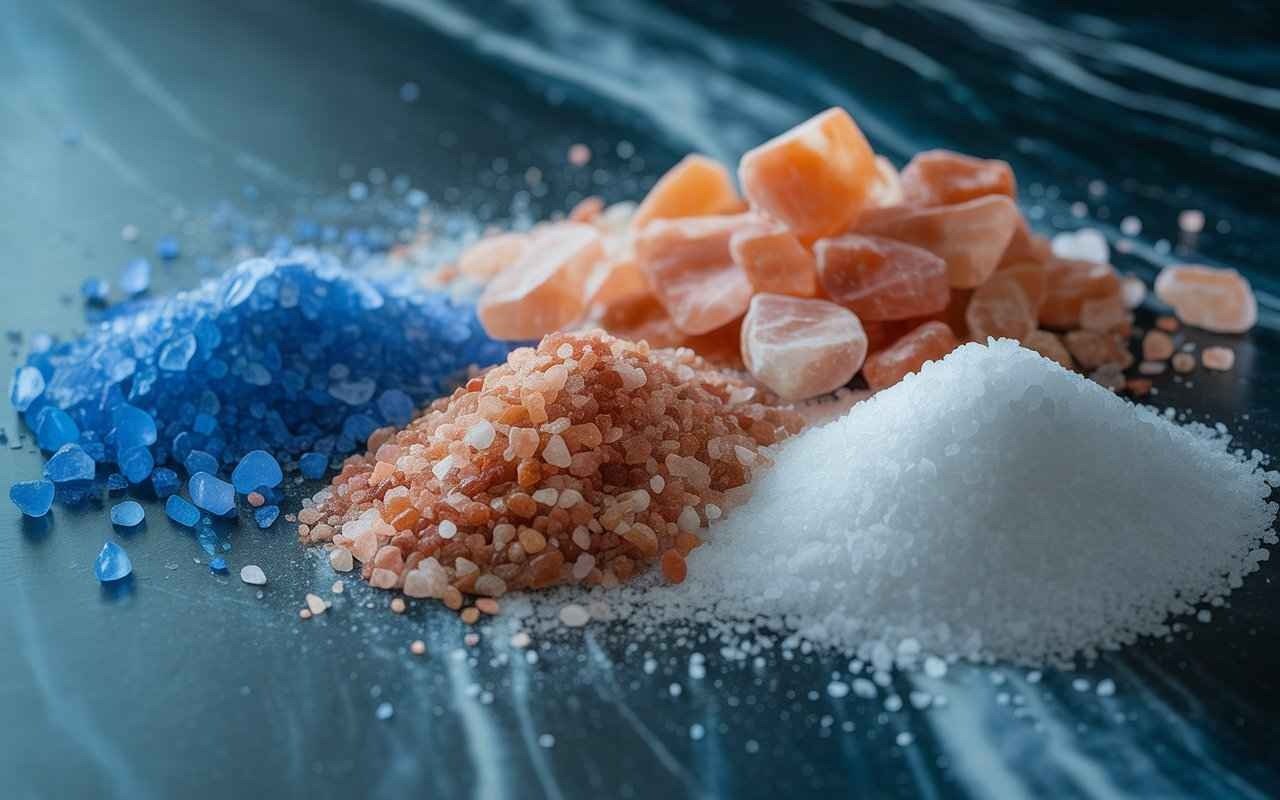
Blue Salt vs Other Salts Introduction highlights how blue salt natural salt derived from ancient dried seas, remains a rare salt from ancient dried seas, recognized as the rarest salt in the world, formed millions of years ago. These ancient seas and seas formed before the existence of microplastics support the absence of microplastics, while testing prove blue salt, purity and testing prove purity clearly proving the authenticity of this rare blue salt.
The blue salt veins formed naturally, mined by hand, and blue salt veins show how artisans mined hand techniques naturally protect the ideal crystal size, supporting mined hand maintain ideal crystal size, grinding and preserving crystal size quality.
This blue salt does not undergo chemical processing, and its chemical processing-free nature confirms that blue salt contains no additives, creating an additive-free salt without harmful additives, unlike table salt options.
The careful process helps preserve its natural mineral profile, delivering mineral-rich blue salt, valuable blue salt minerals, and meaningful blue salt benefits. This derived origin and formed naturally history strengthen its position as a trusted chemical-free salt, making natural blue salt a compelling salt choice before modern contamination concerns.
Blue Salt Power: Amazing Low Sodium, High Potassium
Blue Salt Power: Amazing Low Sodium, High Potassium explains how blue salt is mineral-rich and contains nearly 60 minerals, delivering mineral-rich value with nearly 60 minerals, including calcium and magnesium, offering strong muscle function support.
The striking, brilliant blue color from abundant minerals and their presence highlight purity, while one teaspoon of blue salt contains potassium, showing how potassium supports heart health, muscle function, and supports heart health naturally. Compared to pink salt, pink Himalayan, and sea salt, this market profile provides the lowest sodium content, delivering 30 percent less sodium and 30 percent less pink Himalayan competition with meaningful health advantages.
This advantage becomes clearer, however, when reviewing labels on the market, where some brands contain higher sodium, many brands contain more sodium, while blue salt remains noticeably lower. Studies show 50 percent lower sodium and 50 percent lower sea salt competitor performance against leading pink Himalayan competition and leading sea salt competitor, reinforcing strong differentiation against each competitor and sea salt competitor. Blue salt also stands out less than rivals in sodium impact while remaining a trusted salt choice on the market, combining mineral benefits with balanced potassium levels.
How to Use Blue Salt: Powerful Tips You’ll Love
Blue Salt works just like regular salt, but its stunning crystals add richer flavor and eye-catching color to every dish. Grind it over steaks, sprinkle it as a tableside garnish, or blend a pinch into smoothies for a unique mineral boost. Many wellness enthusiasts now include Blue Salt in daily routines, enjoying its balanced taste, lower sodium profile, and premium finishing touch.
Conclusion
Blue Salt isn’t a passing trend; it’s a rare gourmet treasure that transforms everyday meals into memorable culinary experiences. It’s natural, unprocessed harvesting preserves rich minerals, delivering lower sodium while adding a powerful potassium boost to every recipe. From simple dishes to chef-inspired creations, Blue Salt elevates flavor, nutrition, and visual appeal in one premium sprinkle.
FAQ’s
1. What is Blue Salt?
Blue Salt is a rare mineral-rich salt formed from ancient dried seas, naturally mined and free from chemical processing or additives.
2. Is Blue Salt healthier than other salts?
Blue Salt can be healthier due to its lower sodium levels, higher potassium content, and naturally preserved trace minerals.
3. Why is Blue Salt blue in color?
The blue color comes from abundant minerals and crystal structure formed naturally over millions of years underground.
4. Does Blue Salt contain microplastics?
Blue Salt is sourced from ancient deposits formed before modern pollution, making it naturally free from microplastic contamination.
5. How does Blue Salt compare to Pink Himalayan salt?
Blue Salt often contains less sodium and higher potassium than Pink Himalayan salt while offering a similar mineral-rich profile.
6. Is Blue Salt lower in sodium than Sea Salt?
Yes, Blue Salt can contain significantly less sodium than many Sea Salt brands depending on mineral composition and sourcing.
7. What minerals are found in Blue Salt?
Blue Salt contains nearly 60 minerals, including potassium, calcium, and magnesium, supporting heart health and muscle function.
8. How can Blue Salt be used in cooking?
Blue Salt can be ground over meats, salads, and vegetables, or used as a finishing salt to enhance flavor and visual appeal.
9. Why is Blue Salt considered rare?
Blue Salt is rare because it forms in ancient geological deposits and is carefully mined by hand to preserve crystal quality.
10. Is Blue Salt processed like table salt?
No, Blue Salt does not undergo chemical processing and typically contains no additives, unlike refined table salt.
11. Is Blue Salt better than regular salt for your health?
Blue salt can be a better option than regular table salt because it often contains less sodium and more potassium. However, real health benefits come from lowering total sodium intake and eating potassium-rich foods like bananas, almonds, and leafy greens.
12. Which salt has the strongest taste and impact?
Table salt is usually considered the strongest in taste because it is highly refined sodium chloride without trace minerals. However, mineral-rich salts like Blue Salt can offer a more complex flavor profile with balanced intensity.
13. Which type of salt is considered the healthiest?
No salt is truly healthiest since most contain similar sodium levels by weight. However, minimally processed options like Blue Salt or sea salt may offer trace minerals, while the key to better health is using any salt in moderation.
14. What makes Blue Salt different from regular salt?
Blue Salt differs from regular salt because it is naturally sourced from ancient deposits, mined by hand, and free from chemical processing or additives. Unlike refined table salt, Blue Salt preserves mineral content and remains naturally pure.