
Blog
Secret Ways to Use a Himalayan Salt Block for Cooking

Ultimate Himalayan Salt Block Cooking Secret
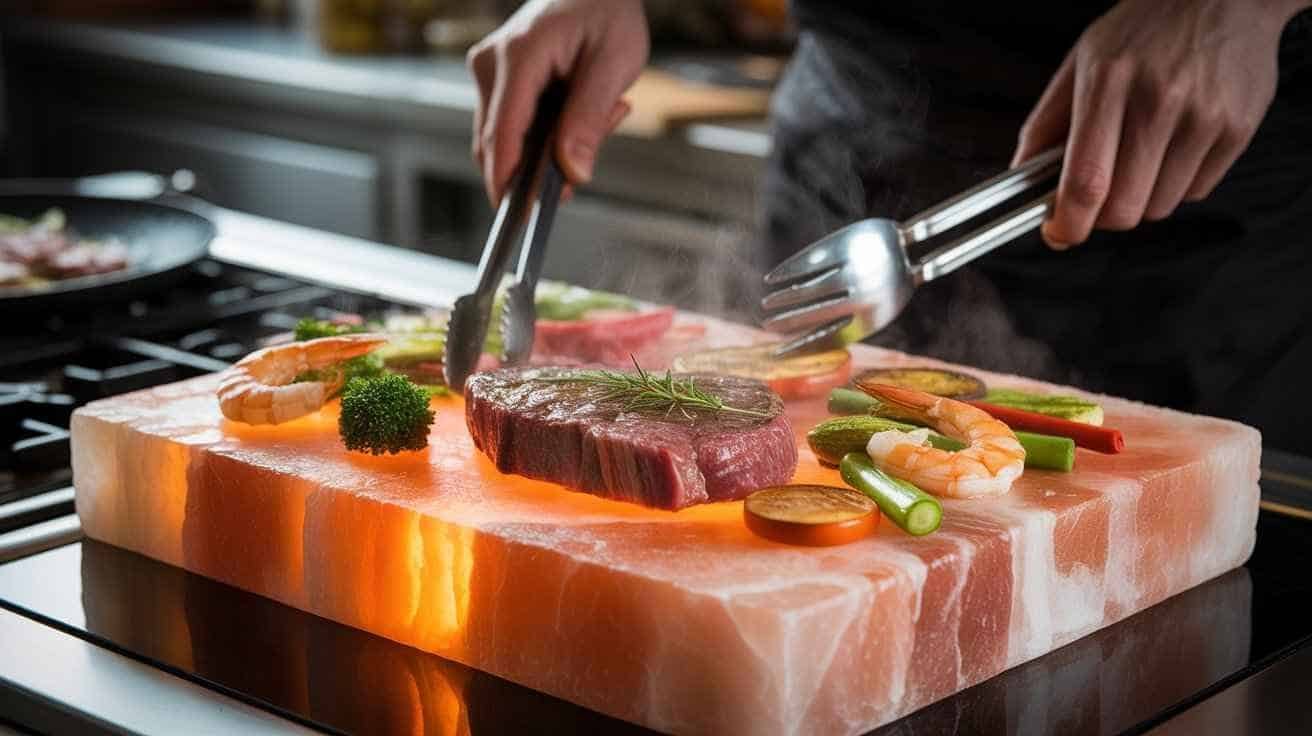
A Himalayan Salt Block transforms everyday cooking by turning natural mineral salt into a powerful nature cooktop and serving platter. Many chefs prefer Himalayan Salt Blocks, Himalayan Salt Plates, and Himalayan Salt Bricks because they deliver clean flavor from natural, pure salt without chemicals or additives. When gently applying heat, a Himalayan pink salt slab, Himalayan pink salt plate, or Himalayan pink salt brick can sear thinly sliced meats, fish, seafood, and vegetables.
This technique works best for quick-cooking foods prepared at controlled high temperatures on the mineral-rich Himalayan cooking surface. The heated slab, plate, or brick enhances culinary flavor while supporting creative plating for chefs experimenting with creative culinary uses. I often cook meats, fish, and seafood on Himalayan salt slabs, where the mineral salt slowly seasons the food.
After cooking, simply chill the Himalayan Salt Slabs, plates, or blocks to create an impressive cold serving surface. The pink mineral platter works beautifully for sushi, appetizers, cold meats, cheeses, fresh fruit, and vegetables. It also highlights elegant cold desserts, turning simple foods, fruit, and desserts into visually striking presentations.
The remarkable quality of these salt blocks begins at their geological source in northern Pakistan. Authentic Himalayan pink salt blocks, Himalayan pink salt plates, and Himalayan pink salt bricks are mined from ancient sea salt deposits in the Salt Range foothills of the geologically recognized Himalayan foreland basin. Over centuries, this mineral salt formed within large meteor-like boulders, later shaped into sliced slabs, salt plates, salt blocks, salt bricks, and sculpted bowls.
Because this natural product remained protected from pollution and impurities, many experts describe it as the purest and cleanest salt available from a global salt source. Premium manufacturers process the material into Gourmet Food Grade Himalayan salt used by professional kitchens worldwide. These Himalayan salt products consistently deliver the highest quality salt performance for culinary professionals and home cooks.
Each Himalayan salt slab, Himalayan salt plate, and Himalayan salt brick displays unique physical characteristics, natural inclusions, and a distinctive mineral appearance. Because the temperature threshold and pressure tolerance can vary, careful heating ensures the surface remains stable during cooking. These qualities create an intriguing presentation and a one-of-a-kind presentation for hot foods and cold foods.
Chefs frequently use these Himalayan salt blocks for home use, restaurant use, spa use, or service in a professional catering facility. The heated cooktop surface prepares flavorful hot foods, while the chilled surface elegantly presents cold foods. This balance of visual presentation, mineral flavor, and natural cooking performance makes Himalayan salt tools an exceptional product for modern kitchens.
Serving Ideas:
Serving Ideas using Himalayan salt slabs start with creative food presentation on natural serving platters made from a salt slab. I usually place a chilled slab in the refrigerator, sometimes preparing a frozen slab in the freezer for dramatic service. This method creates a new way of serving sushi, cheese, and other serving items with a subtle salty flavor.
Different foods react uniquely on the chilled mineral salt surface, creating memorable dining experiences. Moist foods often pick up a stronger salty flavor, while denser foods and drier counterparts remain beautifully presented. These Himalayan slabs are perfect for presenting cold desserts, sorbet, and other cold desserts with imaginative presentation.
Amazing Himalayan Salt Block Secret for Perfect Flavor
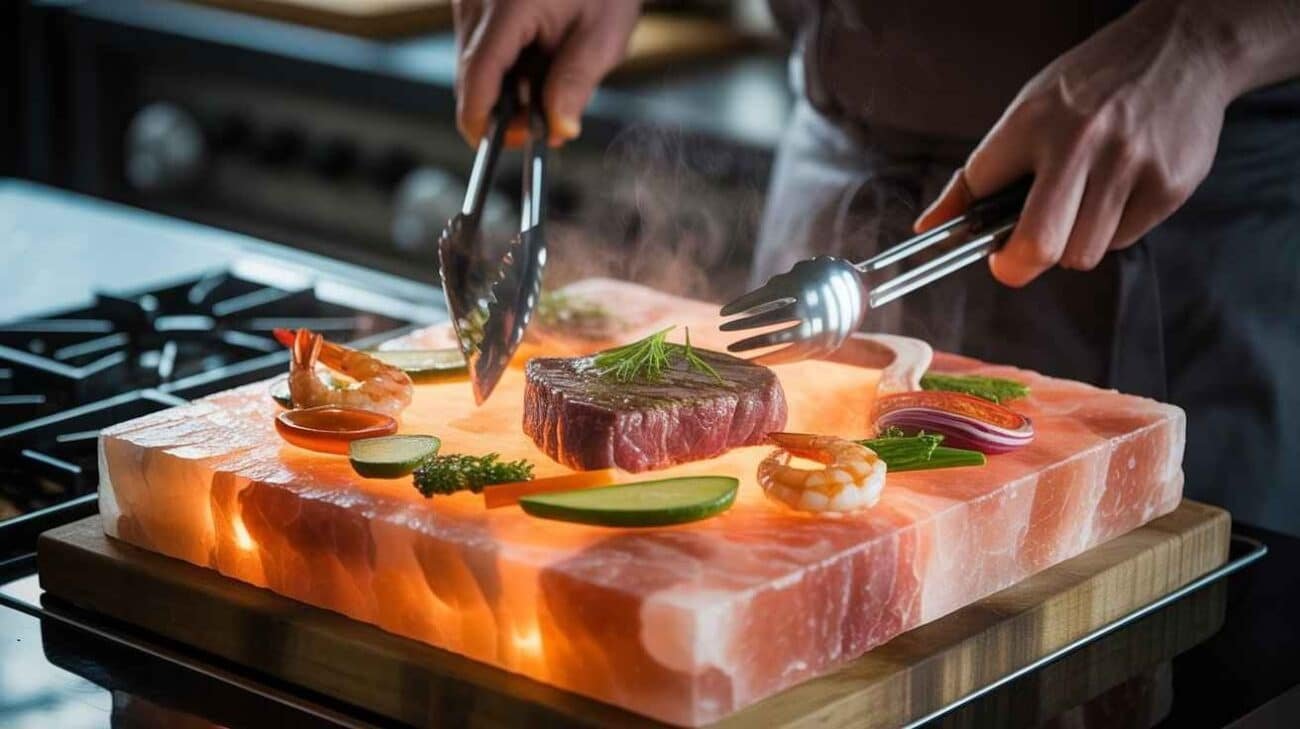
The Amazing Himalayan Salt Block Secret for Perfect Flavor begins with placing foods on a heated Himalayan salt block or Himalayan crystal salt slab. This natural salt slab gives a light, clean, naturally salty flavor while absorbing minerals linked to good health and long-term longevity. From my experience, moist foods and wet foods placed on the Himalayan block gradually develop balanced seasoning without overpowering their original taste.
Seafood demonstrates this effect clearly when thinly sliced fish such as salmon, tuna, and whitefish rest on the warm salt slab. During this extended period, the mineral surface gently begins curing fish through a natural salt preservative process. The surface can also serve cheese and crackers, where cheese absorbs a hint of salty taste while crackers keep the same taste because they are dry foods.
Amazing Himalayan Salt Block Curing Secret

The Amazing Himalayan Salt Block Curing Secret begins with preparing Himalayan salt blocks using a chilled natural salt slab. I usually chill the slab in the refrigerator for several hours, preparing the mineral salt slab for curing. Then I place thin strips of ahi tuna or beef carpaccio directly on the slab.
As the curing process slowly takes place, the mineral salt surface begins to cure fish and seafood naturally. This method also works for thinly sliced meats, seasoning foods while preserving delicate texture. The irregular shades of pink, varying textures, and natural serving platter create an attractive presentation that sparks intriguing conversation.
Amazing Himalayan Salt Slab Searing Secret
The Amazing Himalayan Salt Slab Searing Secret begins with preparing a Himalayan salt slab as a natural cooking surface. I usually start with a slow heated slab, warming it in the oven, over a gas flame, or on an electric burner. This method prepares the surface for searing meat, grilling fish, and grilling vegetables during regular salt slab cooking.
When the slab is subjected to high temperatures, it may turn white spots, which is a normal appearance alteration. As the surface cools, the mineral salt slab will gradually regain its original coloring. Always ensure the slab is completely dry, because lingering moisture from previous contact can expand and cause damage. The recommended dry time is 24 hours after the last exposure to moisture before applying heat again.
Heat in the Oven:
The Heat in the Oven method for a Himalayan Salt Block begins with cold oven placement using a completely dry salt slab. I normally place the salt slab inside the oven, then turn the temperature setting gradually. This controlled step supports safe, gradual oven heating and prevents sudden stress on the mineral slab.
The oven temperature increase helps the slab distribute heat evenly and create a stable, evenly heated slab. Once the oven reached the desired degrees Fahrenheit, carefully remove the slab and let it cool for about minutes. Then return it to the oven so slow heat distribution spreads warmth throughout the natural salt surface.
Heating with a Gas Burner:
Place your dry Himalayan salt slab over a low gas flame for about 15 minutes. For a higher temperature, continue heating for another 15 minutes over a medium-high flame.
Heating on an Electric Stove:
Place a metal spacer or wok ring between the heating element and the salt slab to prevent direct contact. Then follow the same heating steps used for a gas burner.
The Heat in the Oven method prepares a Himalayan salt slab until it becomes a thoroughly heated slab ready for cooking. I usually place the salt plate on a heatproof surface, allowing the salt block to retain heat evenly. This creates a natural cooking surface that works perfectly as a hot searing surface.
Lightly toss meat, fish, or vegetables with spices, herbs, and an oil seasoning mix before cooking. Then, drizzle olive oil over the slab to adjust saltiness to the desired level before placing food directly on the grilling surface. Continue stirring food and moving food around until reaching the desired doneness, while the salt surface retains heat for several minutes. After cooking, avoid direct contact because the slab will take hours to cool completely, extending the natural cooling time.
Chilled Serving Ideas
- Sushi rolls
- Fresh salads
- Chilled appetizers
- Fresh fruits and vegetables
- Artisan cheese
- Cold dipping sauces
- Cured deli meats
- Tuna tartare dishes
- Fresh shellfish
- Boiled eggs (chilled)
- Ice cream and frozen sorbet
- Cold dessert treats
Searing Ideas
- Thinly sliced beef or tender veal
- Chicken, duck, or other poultry cuts
- Scallops, shrimp, prawns, or similar shellfish
- Fresh fish fillets
- Vegetables such as broccoli, zucchini, and asparagus
- Eggs prepared on the hot surface
- Fruits like apples, pears, pineapple, bananas, and other varieties
Food Curing Ideas
- Thin slices of ahi tuna, salmon, or other fresh fish
- Shrimp, prawns, scallops, and similar shellfish
- Beef carpaccio or other thinly sliced carpaccio dishes
Himalayan Salt Block Care Guide
Proper care helps a Himalayan salt block stay safe and effective for cooking daily food varieties, and for cooking and serving. After cooking, clean the salt block surfaces using a damp cloth or a paper towel to wipe off food bits. Never submerge the salt block in water or rinse it under running water, because trapped moisture can cause cracks when heated.
Allow a full dry slab period and always ensure dry surfaces before the next heating cycle. There is no need to use soap or detergent, because the mineral surface acts as an anti-microbial salt and a naturally anti-fungal surface. Over regular use wear, the Himalayan salt slab or salt plate may acquire new colors, shades, and surface color development, creating a natural appearance change and irregular beauty. Small fragments from developed fissures or cracks can be grated salt seasoning, used as soup seasoning salt, or added to a tub for a relaxing, detoxifying bath.
Himalayan Salt Block FAQs
What is a Himalayan salt block good for?
A Himalayan salt block is used for cooking, serving, chilling, and curing food. When heated, it works as a natural cooking surface for searing meat, seafood, and vegetables. When chilled, it can serve sushi, cheese, fruit, and desserts while adding a mild salty flavor.
How long does a Himalayan salt block last?
A Himalayan salt block can last several months to a few years depending on how often it is used and how well it is maintained. Proper heating, drying, and cleaning help extend its lifespan and prevent cracking.
How many times can you reuse a salt block?
A Himalayan salt block can be reused many times as long as it remains structurally stable. With proper care and gradual heating, a single block can often be used dozens of times before becoming too small or cracked.
Do you wash a salt block?
No, you should not wash a salt block with soap or running water. Instead, wipe it with a damp cloth or paper towel to remove food residue. Excess water can weaken the slab and cause cracking when heated.
How do you use a salt block for the first time?
Before using a Himalayan salt block for the first time, heat it slowly and gradually. Start with low heat and increase the temperature step by step to remove trapped moisture and prevent cracking.
Are all salt blocks the same?
No, salt blocks differ in size, thickness, mineral composition, and quality. Blocks mined from Himalayan pink salt deposits often contain trace minerals that create different shades and textures.
How should you store a Himalayan salt block?
Store a Himalayan salt block in a dry, well-ventilated place. Make sure the slab is completely dry before storing it to avoid moisture buildup and structural damage.
Do salt blocks go bad?
Salt blocks do not expire because salt is naturally preservative. However, they may wear down, crack, or become thinner after repeated use over time.
How do you prepare a Himalayan salt block?
Preparing a Himalayan salt block involves gradual heating. Begin with low heat for about 15–20 minutes and slowly increase the temperature to avoid thermal shock.
Are salt blocks safe for cooking?
Yes, Himalayan salt blocks are safe for cooking when heated properly. They provide a natural cooking surface that lightly seasons food with minerals from the salt.
What do people use salt blocks for?
Salt blocks are used for searing meat, grilling seafood, chilling foods, serving appetizers, and curing fish. They are also popular for food presentation because of their natural pink color.
What are the benefits of a Himalayan salt block?
A Himalayan salt block offers benefits such as natural seasoning, even heat distribution, and attractive food presentation. It can be used hot for cooking or cold for serving dishes.
Can you reuse a Himalayan salt block?
Yes, Himalayan salt blocks can be reused many times if they are properly cleaned and dried after each use. Over time they may develop cracks but can still be used as finishing salt.
Why do people put out salt blocks?
Salt blocks are used for cooking, serving food, and decorative display. Their natural mineral appearance also makes them popular in kitchens and spa environments.
Can you cook directly on a Himalayan salt block?
Yes, you can cook directly on a Himalayan salt block once it is fully heated. The surface allows you to sear meat, seafood, eggs, and vegetables while lightly seasoning them.
What temperature should a Himalayan salt block reach for cooking?
A Himalayan salt block usually reaches around 400–500°F (200–260°C) for cooking. This temperature is ideal for searing meat, seafood, and vegetables.
Why does a Himalayan salt block turn white when heated?
White spots appear because moisture evaporates and minerals react to heat. This color change is normal and does not affect the cooking performance.
How do you know when a salt block is fully heated?
A salt block is ready when drops of water quickly sizzle and evaporate on the surface. This indicates the slab has reached a proper searing temperature.
Read More: Why Is Himalayan Salt Pink? Shocking Mineral Truth