
Blog
How to Wash Microfiber Towels: Keep Them Like New Every Time!

Microfiber towels are highly effective cleaning tools that can last over 300 washes with proper care. If you want to understand how to wash microfiber towels correctly, you must follow specific cleaning methods to protect their fibers. Their unique structure traps dirt, oil, and bacteria better than traditional cotton cloths. However, incorrect washing practices—such as high heat, bleach, or fabric softeners—can quickly damage their performance. To maintain cleaning efficiency and extend lifespan, proper washing, drying, and storage techniques are essential.
Why Microfiber Towels Demand Extra Care
Microfiber towels are made from ultra-fine synthetic fibers designed to trap dirt, oil, and bacteria efficiently. These fibers rely on microscopic split structures that create strong electrostatic attraction during cleaning. However, improper washing methods—such as high heat, bleach, or fabric softeners—can melt, coat, or clog these fibers. This damage reduces their ability to capture particles effectively and significantly lowers cleaning performance. To preserve their structure and functionality, it is essential to follow proper microfiber washing and care techniques.
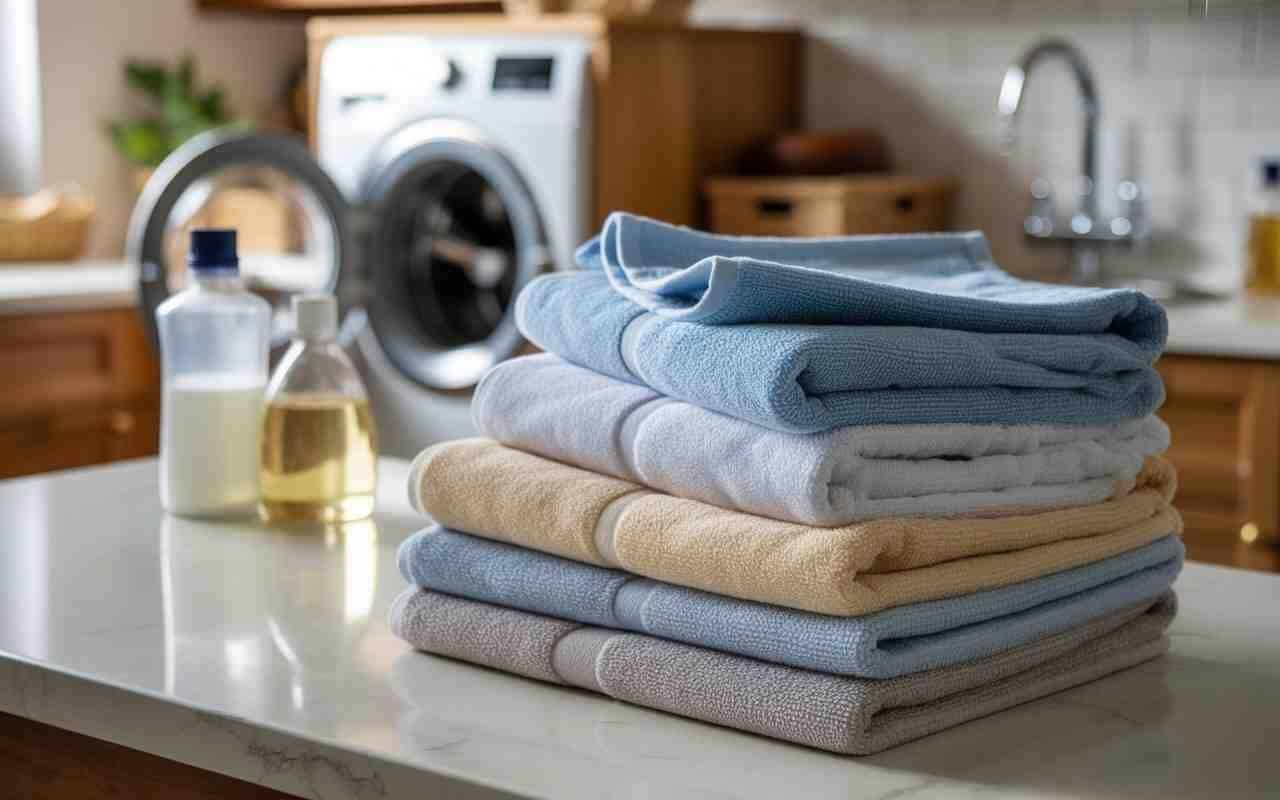
Essential Do’s & Don’ts for Washing Microfiber Towels
Must-Do Tips
- Wash microfiber towels in cold or warm water to protect fiber structure and cleaning performance.
- Use a detergent free from fabric softeners, bleach, and optical brighteners to avoid residue buildup.
- Dry on low heat or air dry to prevent fiber damage and maintain long-term durability.
- Wash microfiber separately from cotton or wool fabrics to avoid lint contamination.
- Avoid overloading the washer or dryer to ensure proper cleaning and drying efficiency.
Common Mistakes to Avoid
- Using high heat during washing or drying, which can melt or deform microfiber fibers.
- Adding fabric softeners or bleach, which coat and weaken the fibers over time.
- Mixing microfiber with lint-producing fabrics, reducing its ability to trap dirt effectively.
- Storing dirty towels in sealed or airtight spaces, leading to bacteria growth and odor buildup.
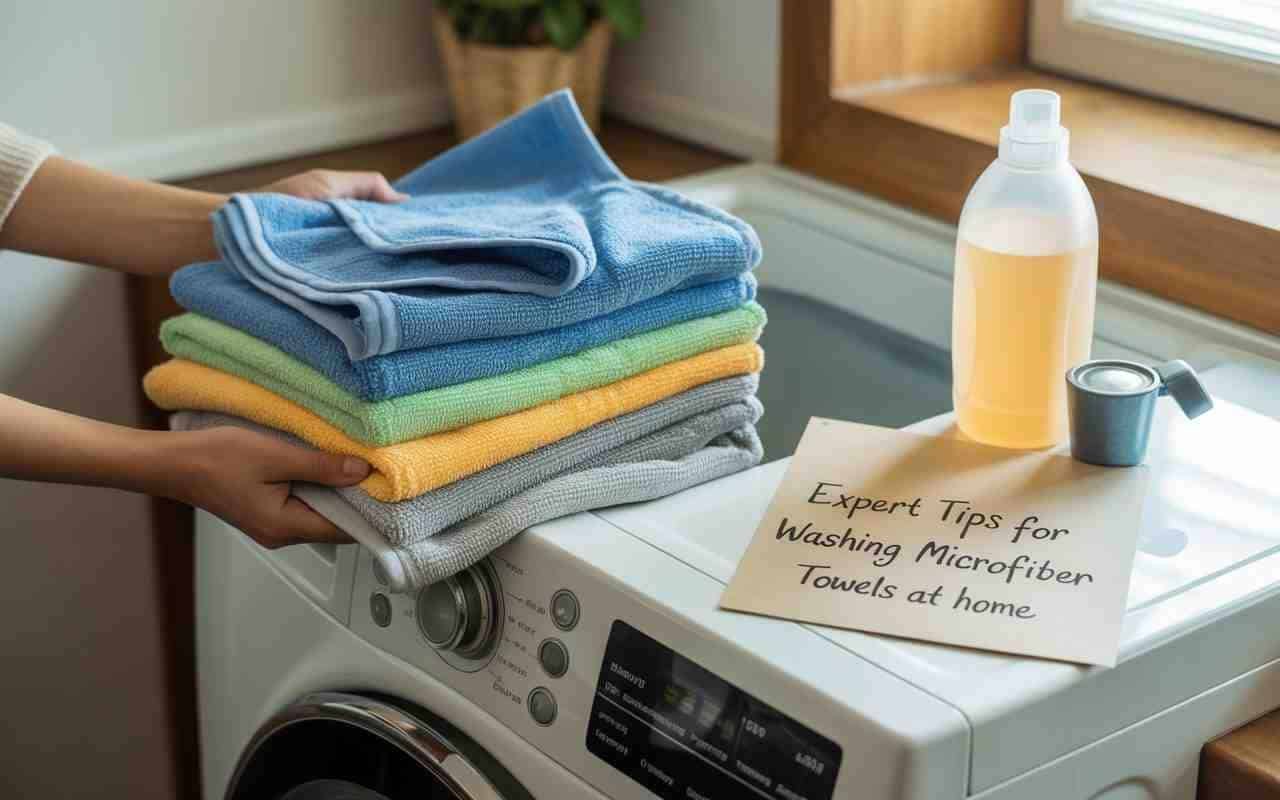
Ultimate Guide to Washing Microfiber Towels at Home
Start by storing used microfiber towels in a ventilated laundry basket to prevent moisture buildup and odors. Before washing, separate them from lint-producing fabrics like cotton to avoid contamination. Load the washer to about three-quarters capacity to allow proper water circulation and cleaning efficiency. Use a small amount of neutral detergent, ideally around 2 ounces, without additives or softeners. Ultimate Guide to Washing Microfiber Towels at Home
Select a normal or gentle wash cycle with cold or warm water to protect the fiber structure. After washing, dry the towels on low heat or hang them in a well-ventilated area to air dry. For better drying results, use plastic dryer balls to help remove trapped debris and improve airflow.
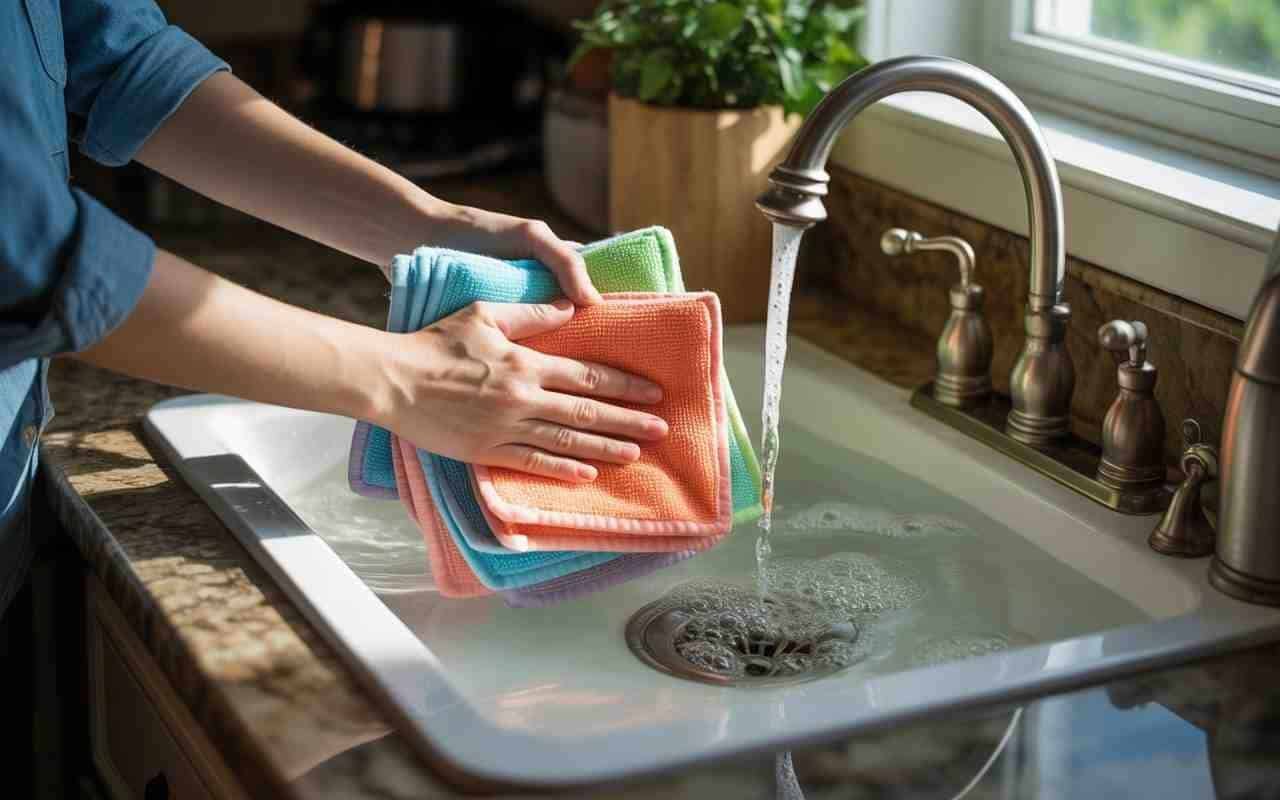
Step-by-Step Guide: How to Wash Microfiber Towels by Hand
Fill a basin with warm water and add a small amount of mild detergent without additives. Submerge the microfiber towels and use a soft brush or hands to remove trapped dirt. Rinse thoroughly with clean water until all detergent residue is removed. Gently wring out excess water without twisting the fibers. Hang the towels in a well-ventilated area to air dry.
Machine Wash vs. Hand Wash: Which Is Best for Microfiber Towels?
Hand washing is ideal for lightly soiled microfiber towels or delicate fabrics that require minimal mechanical stress. It allows better control over handling and reduces fiber wear during cleaning. However, it is time-consuming and less effective for removing heavy dirt or oil buildup.
Machine washing is more efficient for large loads and heavily soiled towels, providing consistent agitation and deeper cleaning. It saves time and ensures uniform results, but improper settings like high heat or overloading can damage the fibers. No follow
For best results, use machine washing for regular cleaning and bulk loads, while reserving hand washing for sensitive or lightly used microfiber towels.
Essential Commercial Washing & Drying Tips for Microfiber Towels
If you’re washing microfiber in high-demand environments like hotels, janitorial services, or healthcare facilities, be sure to follow these expert guidelines:
Top Commercial Microfiber Detergent Tips for Best Results
- Use high-solvent detergents for heavy soil to ensure thorough soil removal from your microfiber towels.
- Avoid using alkaline, bleach, or softeners, as they can damage the fibers and reduce cleaning effectiveness.
- Follow the correct detergent dosage based on load weight to optimize detergent application and avoid excess residue.
- Pay attention to washing methods and follow laundry instructions for the best detergent impact and cleaning power.
Optimal Temperature for Washing Microfiber Towels
To ensure microfiber towels retain their cleaning power and durability, it’s essential to follow the optimal water temperatures for each stage of the wash.
| Operation | Time | Water Temperature | Water Level |
| Flush | 2 Minutes | 120°F | High |
| Flush | 2 Minutes | 140°F | High |
| Suds | 25 Minutes | 160°F | Low |
| Rinse/Extract | 3 Minutes | 140°F | High |
| Rinse/Extract | 2 Minutes | 80°F | High |
| Rinse | 2 Minutes | 80°F | High |
| Extract | 6 Minutes | – | – |
By following these washing steps, you can ensure that your microfiber towels maintain their cleaning power and durability while achieving optimal results.
Best Practices for Drying Microfiber Towels
To keep your microfiber towels in top shape, follow these simple drying tips:
- Air Dry (Preferred Method): Hang towels in a well-ventilated area to dry naturally, preserving their fibers and making them long-lasting.
- Tumble Dry (Max Temp 140°F): For quicker drying, use low heat (max 140°F) to avoid damaging the fibers.
- Disinfectant During Rinse: For mops or heavily soiled towels, add disinfectant during the rinse and avoid drying. Bag them to reduce mildew growth.
- Chemical Dosing for Damp Mops: Place damp mops in a bucket with the chemical product to saturate them within 30 minutes, making them ready for use.
FAQs
Can I wash microfiber towels with vinegar?
Yes, adding a small amount of white vinegar during the rinse cycle helps remove detergent residue and odors.
What detergent is best for microfiber towels?
Use a scent-free detergent without bleach, fabric softeners, or additives. Specialized microfiber detergents provide better results.
Should microfiber towels be washed separately?
Yes, always wash microfiber separately from cotton or lint-producing fabrics to prevent contamination.
How do I remove bad odors from microfiber towels?
Soak towels in warm water with baking soda or vinegar, then wash normally to eliminate trapped odors.
How do I remove lint and hair from microfiber towels?
Use a lint roller, soft brush, or masking tape. Washing separately also helps prevent lint buildup.
Is it safe to wash microfiber towels in hot water?
No, high temperatures can damage microfiber fibers. Use cold or warm water for safe cleaning.