
Blog
Microfiber Cloth: The Surprising Secret to Better Cleaning

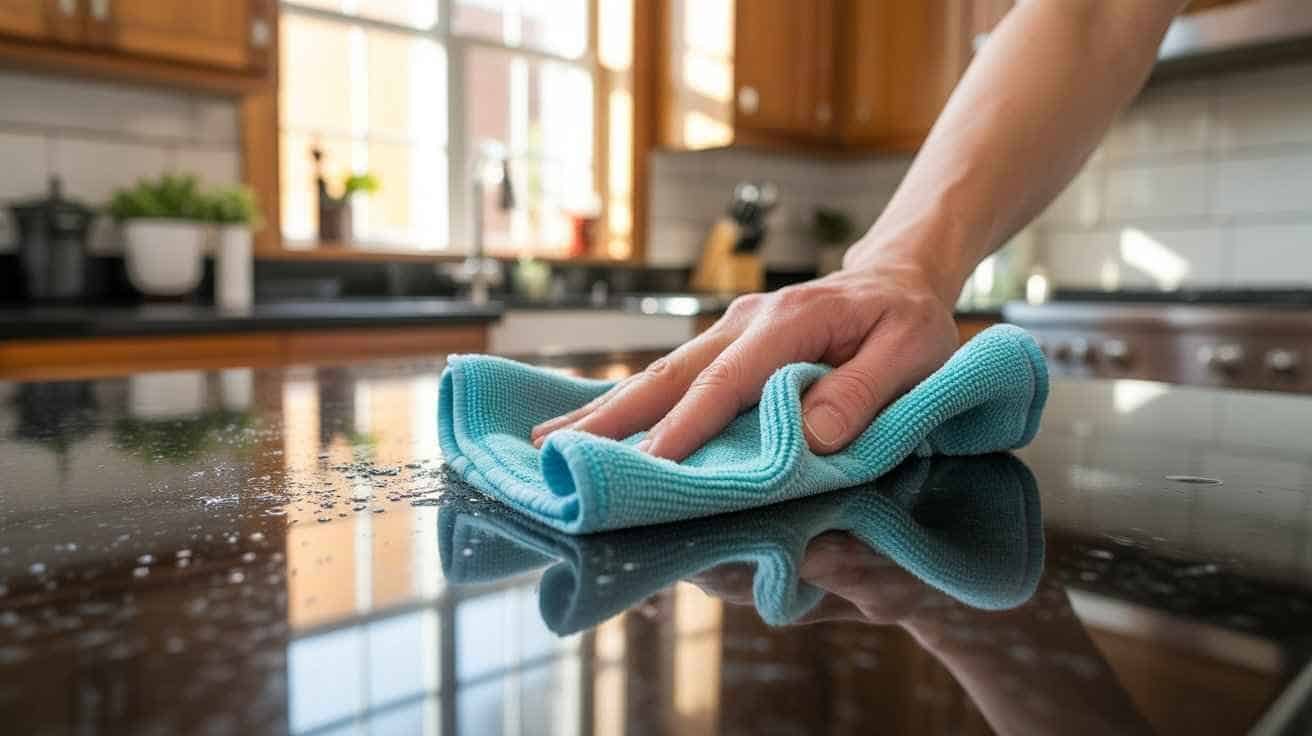
Key Facts About Microfiber Cloths
- Microfiber cloths trap dirt, dust, grease, and even microscopic bacteria thanks to their ultra-fine split fibers.
- They can be used dry for dusting or slightly damp for deeper cleaning on surfaces like glass, stainless steel, countertops, and electronics.
- In many cases, microfiber cleans effectively with only water, making it a practical option for chemical-free household cleaning.
- For sanitation or heavy cleaning tasks, microfiber cloths can also be combined with disinfectants or cleaning solutions without losing performance.
- Because of their durability and strong absorption, microfiber cloths are widely recommended for home, automotive, and professional cleaning.
Shop Now: Microfiber Towels & Cloths
A common question people ask is: What is a microfiber cleaning cloth?
- A microfiber cloth works effectively because microfiber fibers are extremely fine and engineered for advanced cleaning cloth technology. In simple terms, microfiber is defined as a fiber with one denier or less, a precise measurement of fineness.
- This unit means the fiber weighs one gram per 9000 meters, explaining the meaning behind its powerful cleaning ability. From a practical perspective, this small-diameter structure measures about 1/100 the width of human hair.
- It is also close to 1/20 the width of a strand of silk, which highlights its extreme fiber fineness. Because of this microfiber diameter, the microfiber fabric forms dense cleaning fibers that lift dust efficiently.
- A square inch of microfiber cloth can contain approximately 200000 fibers, strengthening overall microfiber cloth uses for daily cleaning tasks. This dense microfiber material improves performance for kitchens, glass surfaces, and electronics while protecting delicate finishes.
- Many people need guidance choosing the right kind of microfiber cloths when reading a cleaning post online. If you look closely at fiber fineness, structure, and measurement, the results can completely change your approach to everyday cleaning.
- If you are not sure, simply scroll to the end of a guide where experts usually cover recommended options. Understanding the diameter, density of fibers, and versatility of a microfiber cleaning cloth can elevate your entire cleaning game.
- How microfiber cleans effectively using only water
- How a single microfiber cloth can handle dusting and wiping tasks
- Why microfiber prevents streaks and lint on glass and stainless steel surfaces
Why Microfiber Cloth Makes Dusting Effortless
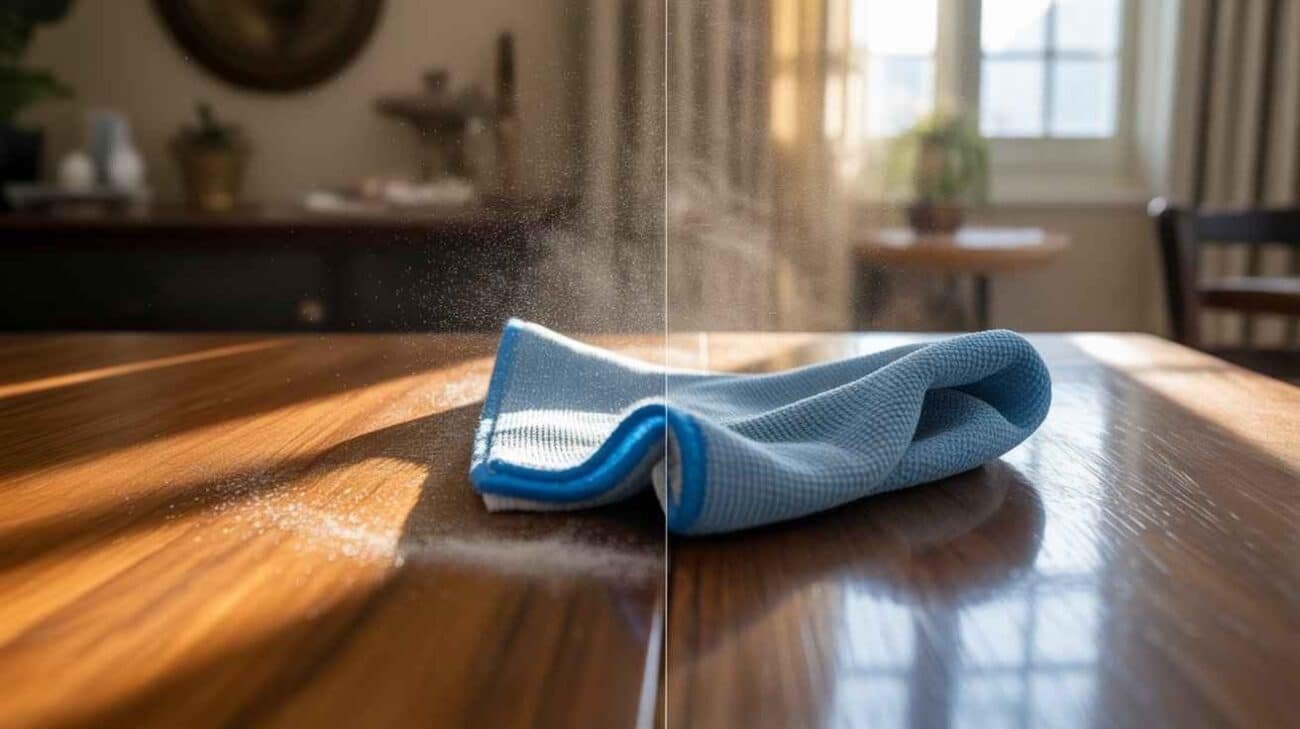
- A microfiber cloth works like a cleaning wonder for home and office surfaces because split microfiber is positively charged. This structure attracts negatively charged dust particles like a magnet, making dusting far more effective and safer than a regular cloth.
- Many people use a microfiber dust cloth, microfiber dusting cloth, or microfiber cleaning cloth for microfiber dust cleaning across many areas. These cleaning cloths, including household cleaning cloths and office cleaning cloths, remove dust without needing a chemical spray.
- Once you are done, simply rinse the reusable cleaning cloth to release trapped particles and prepare it for everyday use. Using the cloth slightly wet often works better because the microfiber dust remover captures debris during routine cleaning.
- From experience, microfiber cleaning cloths are often the best choice for fast dusting and daily maintenance. As Anke from San Diego, United States, once said, cleaning actually becomes fun, even if you hate cleaning.
- This simple habit changes the way people think about microfiber, because the results feel true after regular use. The system works by making everyday cleaning easier while reducing reliance on sprays.
Why Wet Microfiber Cloth Cleans So Powerfully
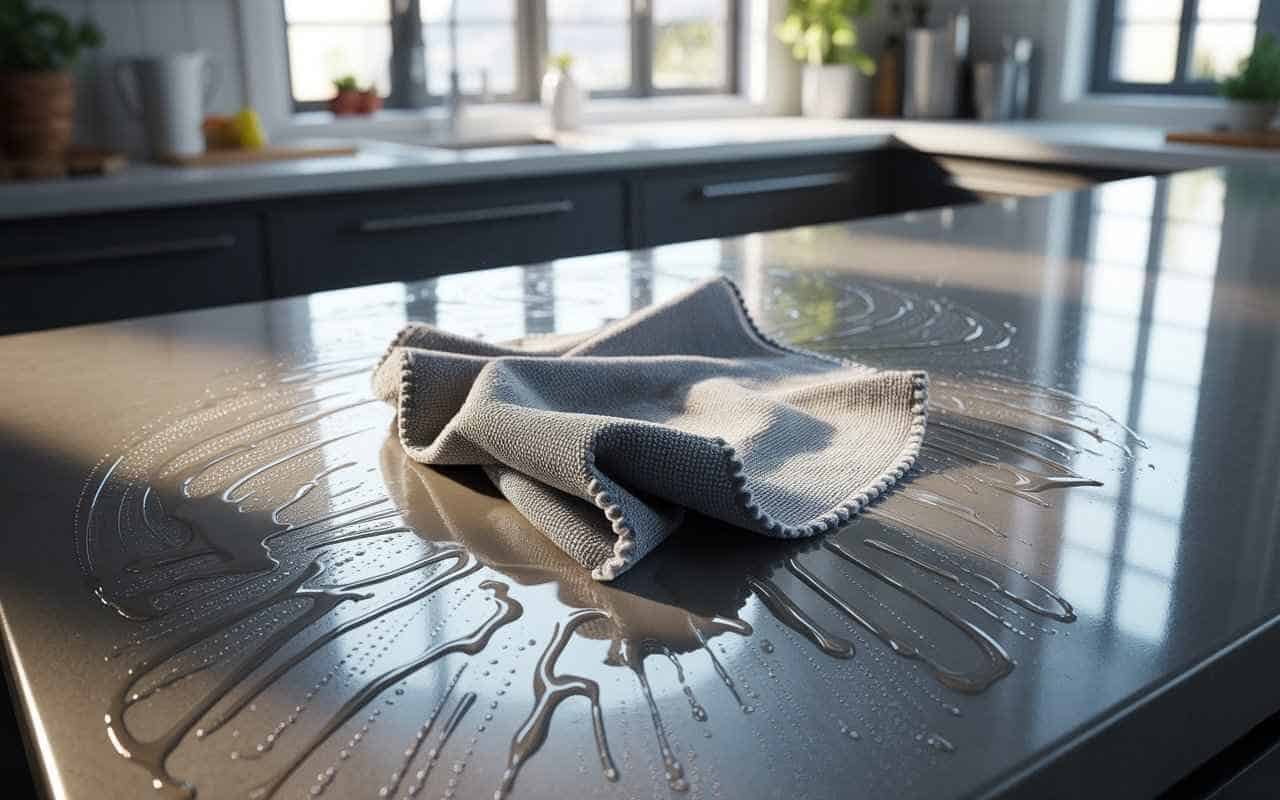
- A wet microfiber cloth works great because the microfiber absorbent cloth structure increases absorbency and captures smudged dirt, grease, and stains. During microfiber cloth cleaning, the towel fibers pick up grime using only water, making microfiber dirt removal simple and effective.
- For microfiber grease cleaning and microfiber stain removal, a quick rinse and wring restores the microfiber towel’s cleaning ability. This cleaning tip shows how microfiber can remove germs and bacteria, allowing you to use the cloth to clean almost anything.
- In real use, a slightly wet cloth often gives the best results because it needs moisture to trap particles. This approach is able to handle a variety of messes, from grease and grime to everyday stains.
Microfiber Cloth: The Secret to Streak-Free Windows
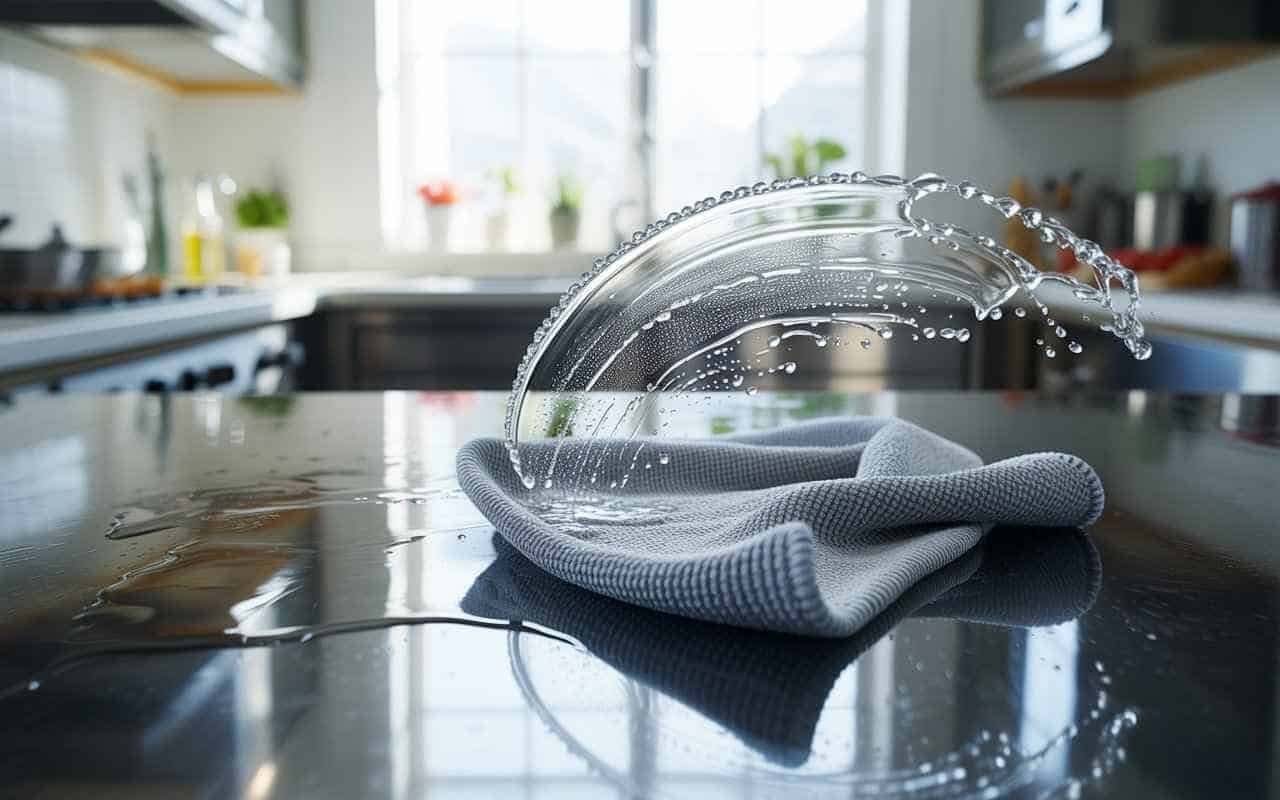
- A microfiber window cloth works perfectly for windows and other smooth surfaces because the microfiber absorbent towel fibers quickly absorb liquid. This streak-free cleaning cloth lifts residue from glass and every surface, making cleaning noticeably better than using paper towels.
- Many professionals use a microfiber glass cleaning cloth, microfiber window towel, or microfiber surface cleaning cloth for delicate surfaces. These lint free microfiber cloth and lint free cloths prevent a visible streak, which is why specialized products like microfiber window cleaning cloths and lens wipes were made.
- During everyday cleaning, a microfiber spill cleaning cloth can handle spills because the towels easily hold up to 7x their weight in liquid. This special absorbent structure helps the microfiber fibers clean efficiently while protecting delicate glass.
- From personal testing, high-quality microfiber lasts longer than cheaper alternatives after every wash. As Crystal, a Verified Customer, once said, even after one or two washes, the excellent quality still lasts, making the investment worthwhile.
- Over time, I have paid attention to which cloth performs great, and the tips are simple. Always choose absorbent microfiber designed for windows, because these materials naturally tend to deliver the most consistent results.
Microfiber Cloth vs Cotton Cloth vs Paper Towels
When choosing the right cleaning material, many people compare microfiber cloths, cotton cloths, and paper towels. Each option works differently depending on the cleaning task, absorbency, and durability needed.
| Feature | Microfiber Cloth | Cotton Cloth | Paper Towels |
| Dust Removal | Traps dust using ultra-fine split fibers | Often pushes dust around | Limited dust capture |
| Absorbency | Very high absorbency | Moderate absorbency | Low absorbency |
| Streak-Free Cleaning | Excellent for glass and stainless steel | May leave streaks | Often leaves streaks |
| Lint Control | Lint-free microfiber fibers | Can leave lint | No lint but may tear |
| Durability | Reusable and long-lasting | Reusable but wears out | Single-use |
| Best Uses | Glass, electronics, cars, kitchen | Basic wiping | Quick spills |
Microfiber cloths outperform cotton cloths and paper towels in most cleaning situations because their ultra-fine fibers capture dirt, grease, and bacteria more efficiently. They are also reusable, lint-free, and ideal for streak-free cleaning on delicate surfaces like windows, mirrors, and stainless steel.
Because of these advantages, microfiber cloths are widely used for household cleaning, automotive detailing, and professional cleaning applications.
Powerful Microfiber Cloth Uses You’ll Love
- Dust surfaces in your home or office
- Remove streaks from glass and stainless steel surfaces
- Scrub and clean bathroom areas
- Clean household appliances easily
- Wipe kitchen countertops and work surfaces
- Clean car interiors and exterior surfaces
- Use it anywhere you would normally use paper towels or cloth towels
A microfiber system offers a huge variety of professional cleaning towels designed for almost every cleaning task. From auto detailing using a microfiber auto detailing towel to household cleaning with a microfiber household cleaning towel, these microfiber towels handle glass, windows, mirrors, spills, and drying efficiently while staying lint-free. Many people use a lint-free microfiber cloth or microfiber glass cleaning towel to wipe, dust, and clean delicate surfaces because it works reliably across different situations.
For tougher messes, a microfiber spill cleaning cloth or microfiber drying towel can clean quickly without leaving residue. I once purchased several types of microfiber cloths after reading reviews from Pauline in Palm Beach Gardens, United States, and the results were the best I had seen. These microfiber cleaning towels are always ready for cleaning, easy to carry, and perfect to use everywhere, whether you click to learn more about them or simply get started with daily maintenance.
Powerful Microfiber Cloth Cleaning Secrets
- Microfiber cloths clean effectively using only water.
- You can also use them with your preferred cleaning products or disinfectants.
- Fold the cloth into quarters to create multiple usable cleaning surfaces.
- Always choose high-quality microfiber cloths for the best cleaning performance.
How to Wash Microfiber Cloth Properly
Proper care helps maintain the performance and lifespan of a microfiber cloth. Because microfiber fibers are extremely fine, they can trap large amounts of dust, grease, and dirt during cleaning.
After heavy use, rinse the microfiber cloth with clean water to remove loose debris before washing. This helps prevent dirt from settling deeper into the fibers.
When washing microfiber cloths, use warm water with a mild detergent. Avoid bleach and fabric softeners because they can coat the microfiber fibers and reduce their absorbency and cleaning efficiency.
It is also recommended to wash microfiber cloths separately from cotton fabrics. Cotton lint can stick to the microfiber fibers and reduce their lint-free cleaning performance.
For drying, air drying or low heat drying works best. With proper care, high-quality microfiber cloths can last through hundreds of washes while maintaining strong absorbency and streak-free cleaning ability.
Choosing the Right Microfiber Cloth for Different Cleaning Tasks
Not all microfiber cloths are designed for the same cleaning purpose. Different surfaces require different microfiber textures, thickness levels, and absorbency.
For example, microfiber cleaning towels are ideal for general household cleaning tasks such as wiping counters, appliances, and stainless steel surfaces.
A microfiber glass cloth is specifically designed for streak-free cleaning on windows, mirrors, and delicate glass surfaces. These cloths are lint-free and help remove fingerprints and smudges without leaving marks.
For automotive maintenance, a car detailing microfiber towel is often thicker and more absorbent. These towels are commonly used for drying car surfaces, polishing paint, and cleaning vehicle interiors.
Choosing the correct microfiber cloth for each cleaning task improves efficiency, protects delicate surfaces, and delivers better cleaning results.
The Best Microfiber Towels
Best Microfiber Cleaning Cloth 12 Pack – Ultra Absorbent
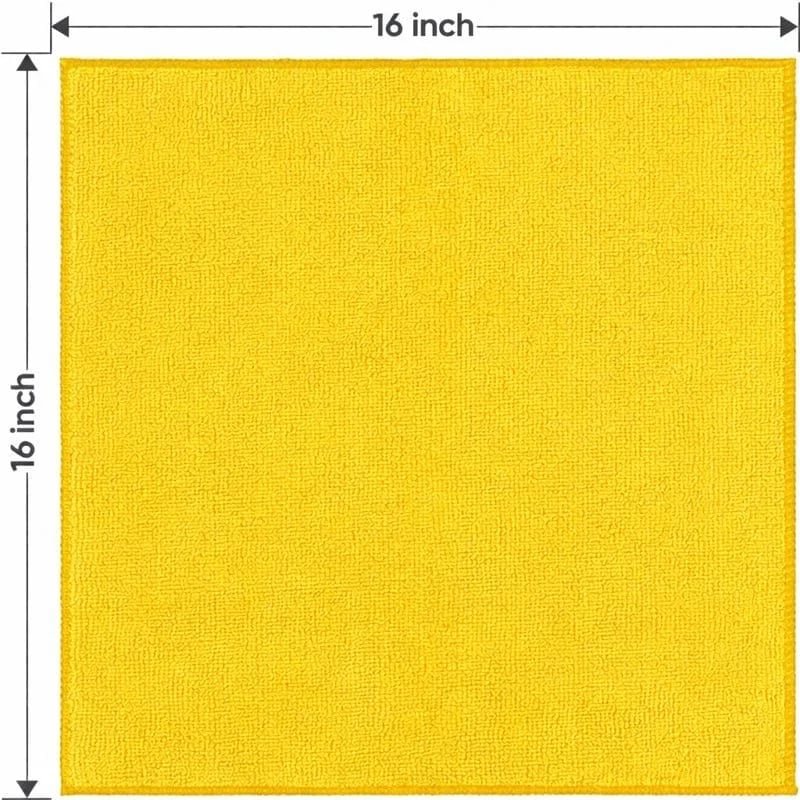
Premium microfiber cleaning cloth set designed for powerful everyday cleaning. These lint-free microfiber towels quickly remove dust, grease, and liquid while staying streak-free on glass, windows, and kitchen surfaces.
Highly absorbent microfiber cloth dries fast and works great for car detailing, household cleaning, and stainless steel surfaces. Durable and reusable for long-lasting performance.
Order Today
Premium Microfiber Cleaning Cloth – Streak-Free Shine
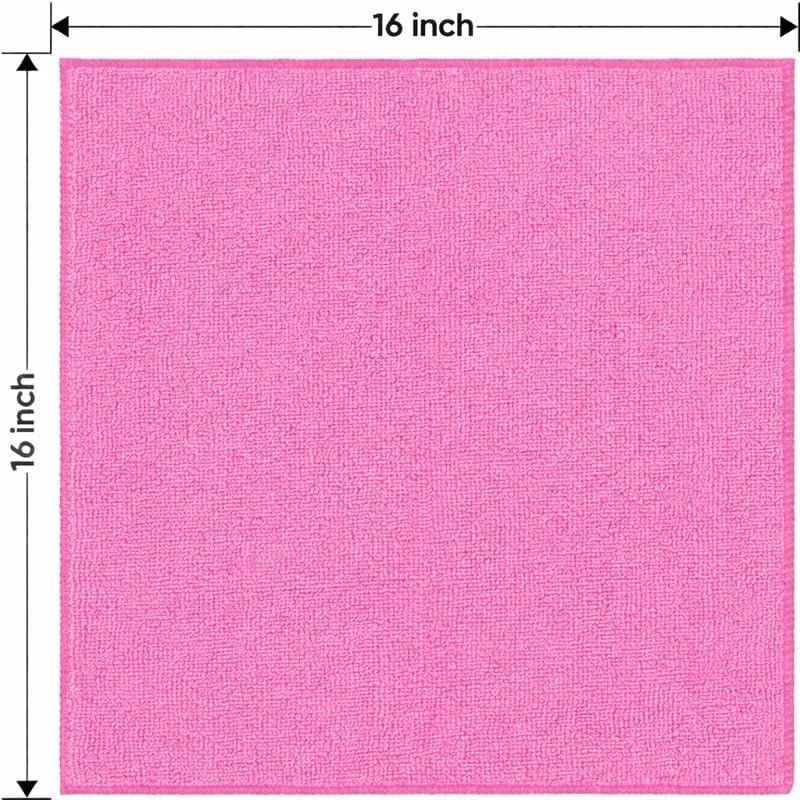
A professional microfiber cloth for eyeglasses, lenses, and delicate screens. The ultra-soft fibers remove fingerprints, smudges, and dust while delivering a crystal-clear streak-free finish.
This lens cleaning cloth is lightweight, scratch-free, and highly absorbent, making it perfect for glasses, camera lenses, tablets, and glass surfaces.
Weight: 0.10 lbs Dimensions: 16 × 16 × 16 in
Order Today
Ultra Soft Microfiber Eyeglass Cleaning Cloth
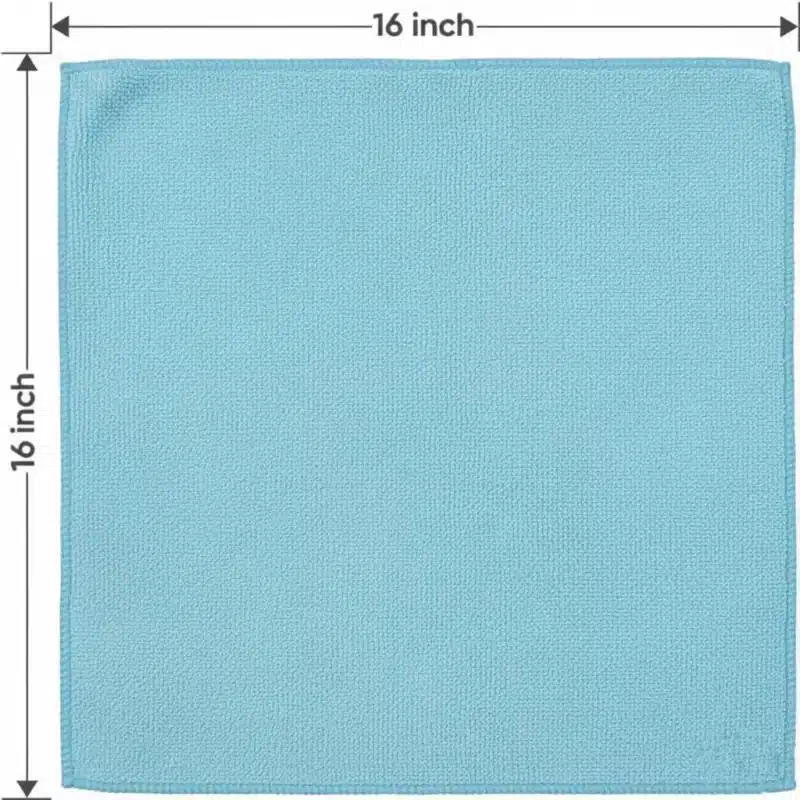
Specially designed microfiber eyeglass cleaning cloth for safe optical cleaning. The fine fibers remove smudges, fingerprints, and dust from lenses while staying completely lint-free and streak-free.
This premium microfiber lens cloth is durable, reusable, and gentle enough for eyeglasses, phone screens, and camera lenses, making it ideal for daily cleaning. Weight: 0.10 lbs Dimensions: 16 × 16 × 16 in
Order Today
FAQs
What is a microfiber cloth made of?
A microfiber cloth is made from synthetic fibers such as polyester and nylon. These ultra-fine fibers are engineered to trap dust, dirt, and grease more effectively than traditional cotton cloths.
Are microfiber cloths better than cotton cloths?
Microfiber cloths are often more effective for cleaning because their fine fibers capture dust and absorb liquid quickly. Cotton cloths work well too, but microfiber usually provides better streak-free and lint-free results.
What are the disadvantages of microfiber cloths?
Microfiber cloths can release tiny plastic particles called microplastics during washing. They also require proper care, such as avoiding fabric softeners, to maintain their cleaning performance.
Why are microfiber cloths so effective for cleaning?
The ultra-fine fibers in microfiber create a larger surface area that traps dust, dirt, and bacteria. This allows microfiber cloths to clean surfaces efficiently using only water in many situations.
What is a microfiber cloth used for?
A microfiber cloth is used for cleaning surfaces such as glass, stainless steel, kitchen counters, electronics, and cars. The ultra-fine fibers trap dust, grease, and dirt more effectively than traditional cleaning cloths.
Can you clean with a microfiber cloth using only water?
Yes, microfiber cloths can clean many surfaces using only water. The tiny fibers capture dust and bacteria, allowing effective cleaning without harsh chemicals.
Do microfiber cloths remove bacteria?
Microfiber cloths can remove many bacteria from surfaces because their dense fibers trap particles during cleaning. For disinfecting, they can also be used with cleaning solutions or disinfectants.
How do you wash microfiber cloths properly?
Microfiber cloths should be washed with mild detergent and warm water. Avoid fabric softeners and bleach, as they can damage the fibers and reduce cleaning performance.
Can microfiber cloths scratch surfaces?
High-quality microfiber cloths are soft and non-abrasive, so they usually do not scratch surfaces. They are safe for glass, lenses, stainless steel, and delicate finishes when used correctly.
Conclusion
A microfiber cloth is one of the most effective tools for modern cleaning. Its ultra-fine fibers trap dust, grease, and even microscopic particles, allowing surfaces to be cleaned quickly and efficiently. Because microfiber cloths are highly absorbent and lint-free, they work especially well on glass, stainless steel, electronics, and other delicate surfaces where streaks are a concern.
Another major advantage is versatility. A microfiber cloth can be used dry for dusting or slightly damp to remove stubborn dirt and stains. In many situations, it cleans effectively with only water, making it a convenient option for households that prefer chemical-free cleaning methods.
With proper care and regular washing, high-quality microfiber cloths can last through hundreds of uses while maintaining strong absorbency and streak-free performance. Whether you are cleaning your home, detailing a car, or wiping delicate screens, microfiber cloths provide reliable and efficient results for everyday cleaning tasks.