
Blog
Why Is Himalayan Salt Pink? Shocking Mineral Truth

Introduction
Why Is Himalayan Salt Pink? This question often comes up when people notice the soft blush of these beautiful crystals. Unlike regular table salt, Himalayan salt carries a natural pink glow that sparks curiosity about its origin and minerals. Understanding why Himalayan salt appears pink reveals its fascinating geological journey and the natural forces that shaped each crystal over millions of years.
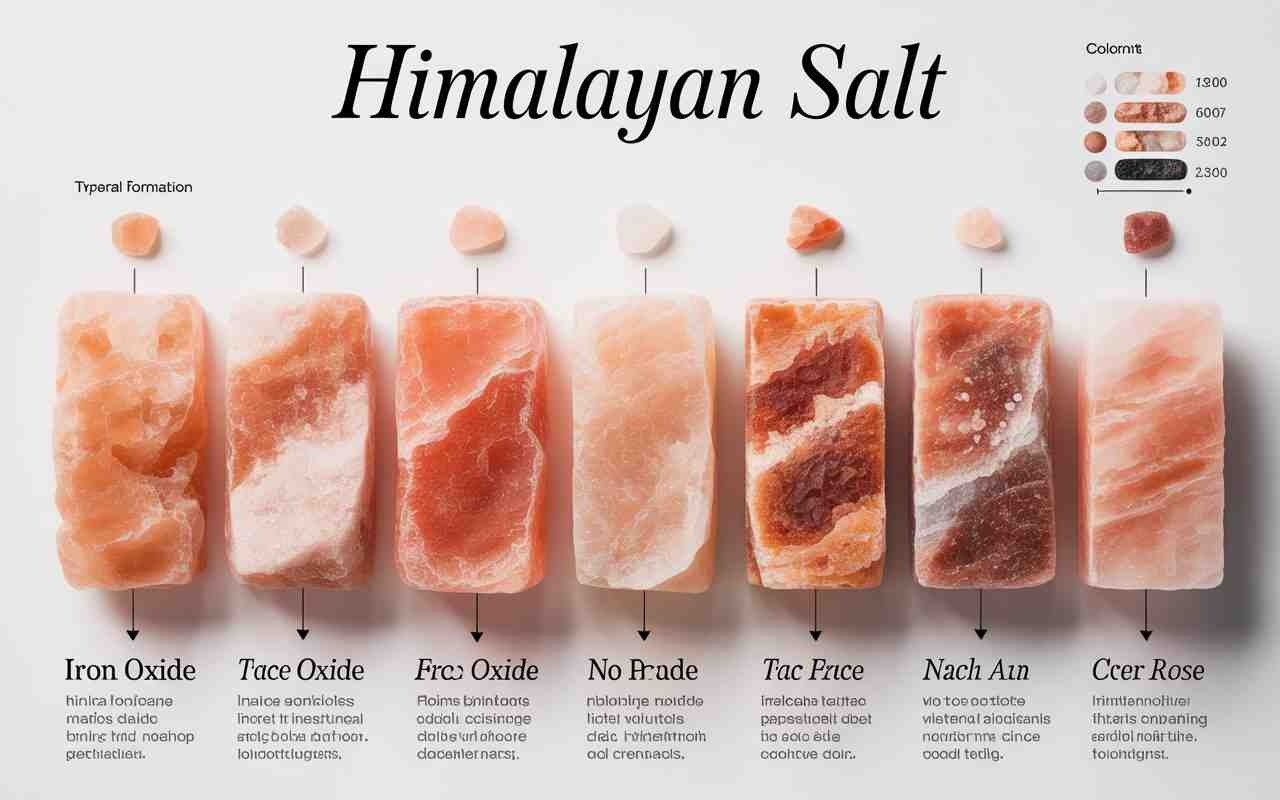
Himalayan salt appears pink mainly because of iron oxide, a natural mineral also responsible for rust color. Tiny traces of iron embedded in salt crystals reacted with oxygen over millions of years, creating soft pink to deep red hues. The intensity of color depends on mineral concentration inside each crystal.
Powerful Truth Behind Himalayan Salt’s Pink Glow
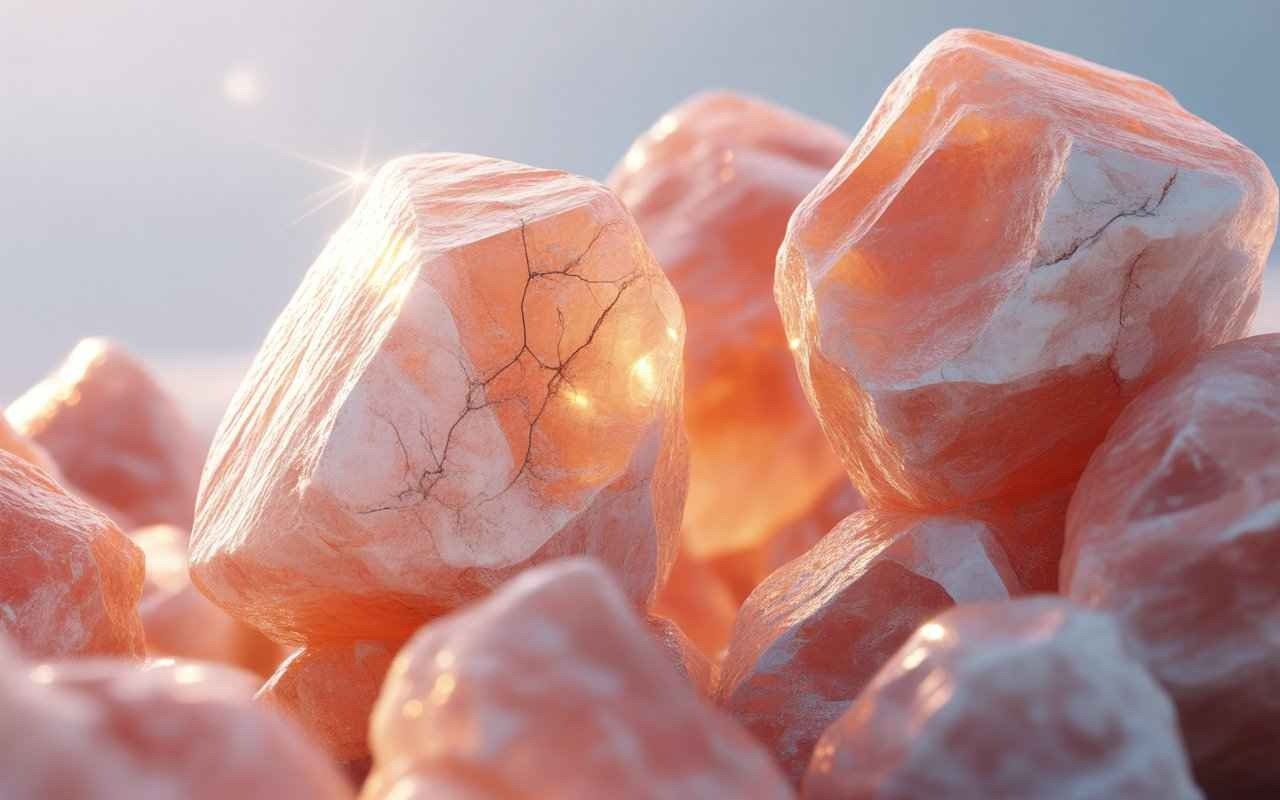
These crystals shine sweetly inside salt grinders, stacked piles, and decorative salt bricks, attracting instant visual curiosity. This natural beauty sparks the common question of why pink color appears and whether it is colored.
Many people also wonder if Himalayan salt feels healthier or simply reflects a fad shaped by trends. The real story reveals this hue is not style or hype but what the crystals naturally contain. Earth created this mineral treasure millions of years ago, forming its unique identity and subtle mineral richness.
This ancient formation helps explain the soft pink glow while gently shaping taste when used in everyday food. Such mineral origins connect visual appeal with authenticity, satisfying curiosity behind Himalayan salt’s fascinating pink appearance.
Fascinating Truth Behind Himalayan Salt’s Pink Hue
The pink hue of Himalayan salt begins with iron oxide, a substance that naturally rusts metal and creates rich pigment tones. Over millions of years, tiny traces of iron remained embedded deep inside salt crystals, where oxygen contact formed a soft red color within each grain.
This natural process is not artificial or surface level, because nature baked this mineral content into every crystal, making the deeper the iron presence, the more intense and vivid the glowing pink appearance becomes.
Natural Mineral Harmony Inside Pink Himalayan Salt
What makes Himalayan salt truly special is the quiet chorus of minerals working together, where iron oxide leads the colorful show while magnesium, calcium, and potassium weave through each crystal structure. These tiny trace elements, like zinc, manganese, and copper,r act as hidden players, adding complexity, clarity, and a subtle shimmer that creates the soft pastel pink color and distinctive fingerprint of every unrefined salt grain. From personal kitchen use, I have noticed how this natural mineral essence quietly adds depth, shaping the unique character of crystals while preserving their authentic beauty.
Why Himalayan Salt Shades Naturally Vary
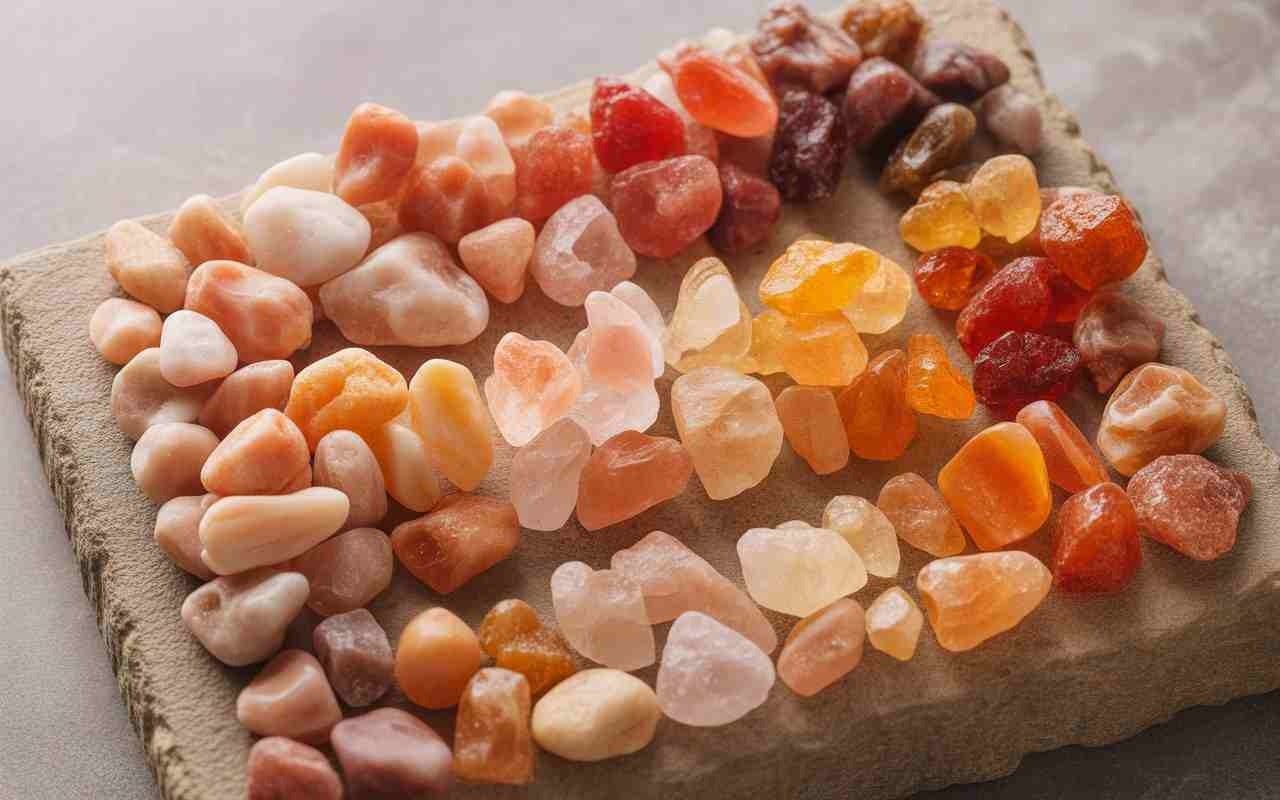
When exploring Himalayan salt, I often observe how crystals display unique color shifts from pastel pinks to deep reds, soft coral, glowing amber, and gentle orange nuances. This inherent variability happens because iron oxide concentration is less in certain layers of the mine, yet high and more concentrated in others, shaping each mineral deposit. Such shade diversity reflects the extensive geological past, where evolving salt layers built richness and mineral concentration, meaning no two crystals share the same natural beauty.
Why Choose Eupherbia Pink Himalayan Salt?
Choosing Eupherbia pink Himalayan salt feels like embracing nature’s artistry, where each ancient crystal is carefully mined from historic deposits and remains beautifully unrefined. Every pure grain retains abundant minerals, preserving its signature color without additives or harsh processing, making it a true reflection of its origin and Earth’s timeless history. From personal experience, I love how this sublime element effortlessly shares its radiant charm in the kitchen as a flavorful seasoning or in a soothing bath, celebrating authentic salt beauty across time.
Himalayan Salt Range research
Research shows Himalayan salt contains trace minerals like iron, magnesium, and potassium, contributing to its pink color (US Geological Survey mineral data). Geological studies confirmthat Himalayan salt formed from ancient seabeds compressed over millions of years (Himalayan Salt Range research).
Conclusion
Himalayan salt’s soft pink glow is more than just visual beauty; it reflects a natural story shaped deep within the Earth over millions of years. From iron oxide traces to a quiet blend of minerals, each crystal carries a unique identity that makes Himalayan salt both fascinating and authentic. Understanding this natural origin not only answers why Himalayan salt is pink but also deepens appreciation for the mineral richness and timeless journey behind every grain.
Frequently Asked Questions (FAQs)
Why is Himalayan salt pink instead of white?
Himalayan salt appears pink because it contains iron oxide and trace minerals naturally embedded within its crystals.
Does darker Himalayan salt mean better quality?
Darker shades usually indicate higher mineral concentration, but quality depends more on purity and sourcing.
Is Himalayan salt dyed or artificially colored?
No, authentic Himalayan salt is not dyed. Its pink color forms naturally through mineral composition and geological processes.
Do all Himalayan salt crystals have the same color?
No, crystal colors vary from pale pink to deep red depending on mineral concentration and salt layer formation.
Does Himalayan salt color affect taste or health benefits?
Color mainly reflects mineral presence. While taste may slightly vary, health benefits remain similar across shades.
Read More: Blue Salt Is Perfect for Health: Surprising Truth Inside