
How to Use a Steam Iron: Expert Tips for Clothes, Fabrics, and More


Introduction
Learning how to use a steam iron is the easiest and most effective way to keep your clothes looking fresh and wrinkle-free. Whether you’re dealing with delicate fabrics or tough creases, steaming clothes offers a gentle, efficient alternative to traditional ironing. Unlike dry ironing, which can flatten your clothes, a steam iron relaxes the fabric fibers, leaving them smooth and looking brand new.
In this guide, we’ll cover expert tips for using your steam iron on various fabrics, creative uses beyond clothing, and essential maintenance tips. Plus, we’ll help you choose the right steam iron for the job, so you can enjoy wrinkle-free clothes in no time.
Best Fabrics for Steaming: Tips for Perfectly Steamed Clothes
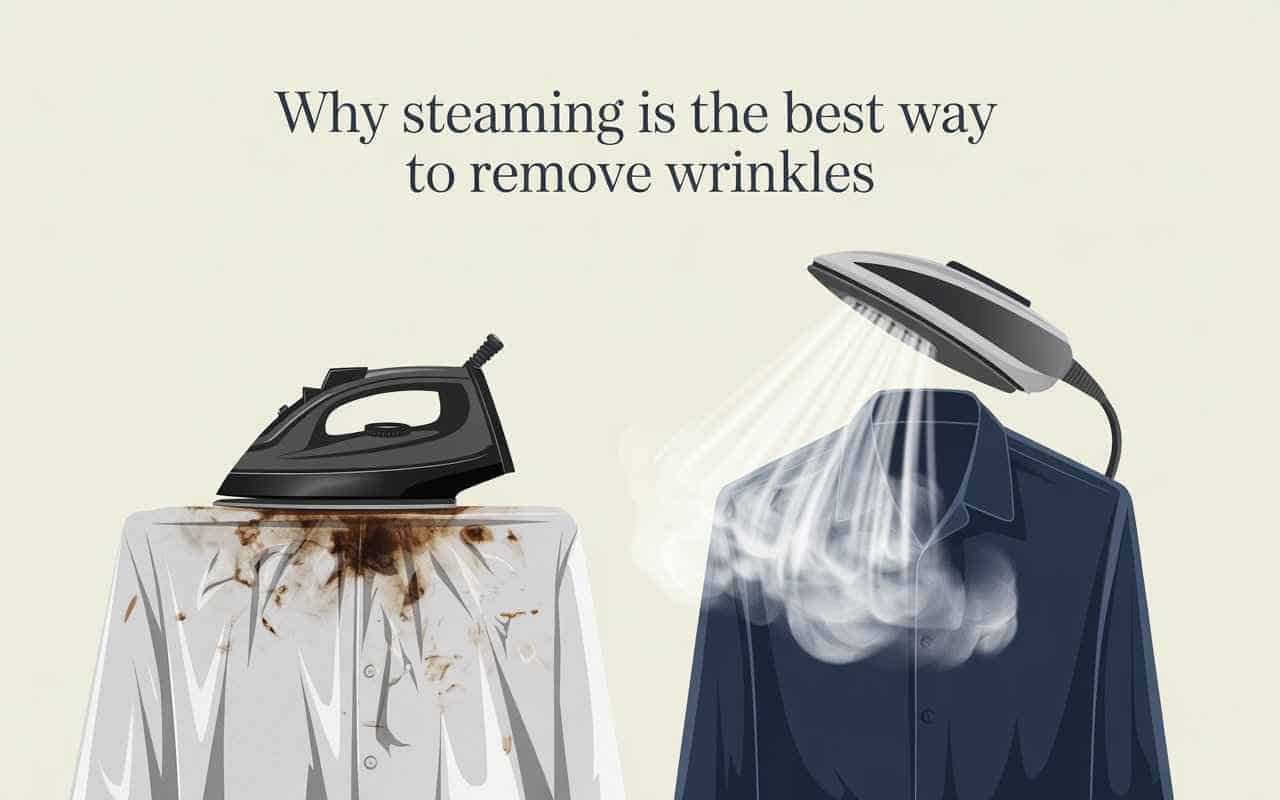
1. Cotton: The Most Steam-Friendly Fabric
- Ideal for Steaming: Cotton ek durable fabric hai jo steam ke saath achha react karta hai, isliye yeh steam ironing ke liye best hai. Cotton shirts, pants, aur bedding ko steam karna asaan hai aur perfect results milte hain.
- Steaming Tips: Cotton fabrics ko high steam setting par steam karein. Agar aapko deep wrinkles hain, to iron ko kuch seconds ke liye uss area par rakh kar steam karna zaroori hai.
- Best Results: Cotton shirts, cotton trousers, aur cotton bedding ko steam karte waqt aapko crisp aur fresh finish milegi, jo easily wrinkles ko eliminate kar dega.
2. Polyester: A Versatile, Low-Cost Fabric
- Ideal for Steaming: Polyester ek synthetic fabric hai jo steam se damage nahi hota aur asaani se wrinkle-free hota hai.
- Steaming Tips: Polyester ko medium steam setting par steam karein. Steam iron ko 3-4 inches door rakhein taake water spots na banen.
- Best Results: Polyester ki blouses, dresses, aur sportswear ko steam karne se unki texture smooth aur fresh ho jati hai bina kisi shine ke.
3. Silk: A Delicate, Luxury Fabric
- Ideal for Steaming: Silk ek delicate fabric hai aur steam ironing ka sabse behtareen tareeqa hai. Silk ko steam karte waqt gently handle karna zaroori hai.
- Steaming Tips: Silk ko lowest steam setting par steam karein aur steam iron ko 3-4 inches door rakhein. Isse fabric scorch nahi hoga aur fibers bhi intact rahenge.
- Best Results: Silk scarves, blouses, aur luxury dresses ko steam karte waqt aapko perfect smoothness milegi, jo ironing se kaafi behtar hai.
4. Wool: A Fabric That Requires Gentle Care
- Ideal for Steaming: Wool ek natural fabric hai jo gentle steaming ke saath apni original shape ko retain karta hai.
- Steaming Tips: Wool ke liye medium steam setting use karein. Directly fabric ko press na karein; sirf steam ko fibers tak pohchne dein.
- Best Results: Wool coats, wool sweaters, aur wool trousers ko steam karte waqt unka structure intact rahega aur wrinkles easily remove ho jayenge.
5. Linen: The Wrinkle-Prone Fabric
- Ideal for Steaming: Linen ek wrinkle-prone fabric hai, aur steam ironing kaafi effective hota hai iske liye. Linen ko steam karna thoda challenging ho sakta hai, lekin steam ironing se aap deep wrinkles ko easily remove kar sakte hain.
- Steaming Tips: Linen ko high steam setting par steam karein. Steam iron ko 3-4 inches door rakhein aur steam ko evenly spread karein.
- Best Results: Linen ki shirts, dresses, aur table linens ko steam karne se fresh aur crisp appearance milti hai, jo ironing se better hai.
6. Denim: Thick and Sturdy, Yet Steam-Friendly
- Ideal for Steaming: Denim ek heavy-duty fabric hai aur steam se easily wrinkle-free ho jata hai. Steam iron ka use karne se aapko fast results milte hain bina fabric ko distort kiye.
- Steaming Tips: Denim ko high steam setting par steam karein. Steam iron ko garment ke upar rakhein aur vertically steam karein.
- Best Results: Denim jackets, jeans, aur denim skirts ko steam karne se unki stiffness maintain hoti hai aur wrinkles bhi remove ho jaate hain.
Safety Precautions for Using a Steam Iron
- Never Leave the Iron Unattended
Always switch off the steam iron and unplug it when not in use to prevent overheating and potential accidents. - Keep Cords Away from Water
Ensure the cord is not in contact with water to avoid electrical hazards. - Use Distilled Water
Prevent mineral build-up in the steam vents by using distilled water, especially if you live in an area with hard water. - Avoid Overfilling the Water Tank
Never overfill the water tank as it can cause leaks or excessive water spillage. - Store the Steam Iron Safely
After use, allow the iron to cool completely before storing it in a dry, safe place.
Step-by-Step Guide: How to Use a Steam Iron Correctly
Using a steam iron correctly is simple and ensures that your clothes stay wrinkle-free and fresh. Hang your garment on a hanger or lay it on a flat surface. Make sure the fabric is smooth and not bunched up to ensure an even steaming process.
Follow these easy steps for the best results:
Step 1: Fill the Water Tank and Set the Temperature
Start by filling the water tank with distilled water to prevent mineral build-up. Set the temperature according to the fabric type. Most steam irons have settings for cotton, wool, silk, and more. Make sure to choose the correct setting to avoid damage.
Step 2: Activate the Steam Function
Press the steam button to release steam. Start moving the iron in slow, vertical motions over the fabric. Hold the iron 3-4 inches away from the fabric to avoid direct heat contact. The steam will soften the fibers, releasing wrinkles effortlessly.
Step 3: Focus on Tough Creases
For deep wrinkles, hold the iron a bit longer over the fabric. For collars, cuffs, and hems, you can use the precision tip to target specific areas. Stretch the fabric gently to make creases easier to eliminate.
Step 4: Let the Fabric Dry
After steaming, let the garment air-dry for a few minutes before wearing it to prevent any dampness. This also helps avoid new wrinkles from forming immediately.
Step 2: Hang or Lay Your Garment for Easy Steaming
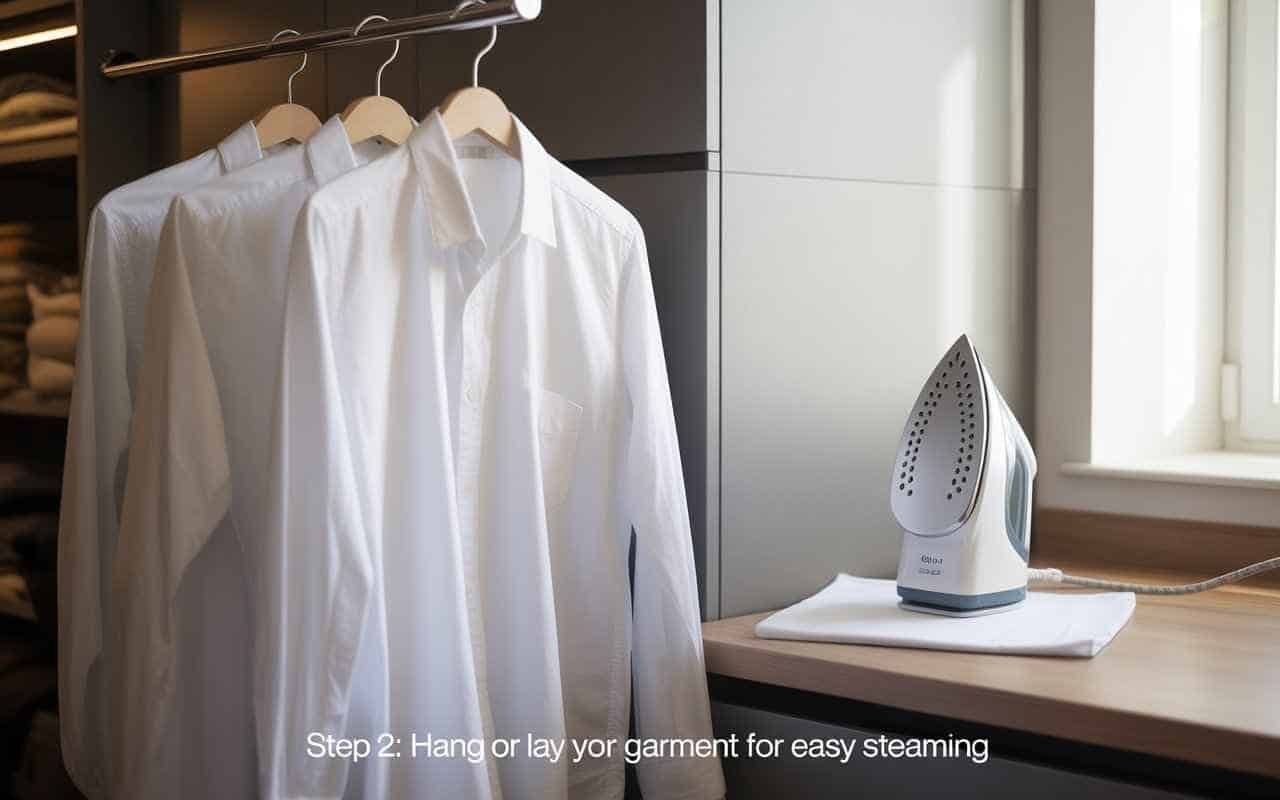
For optimal steaming results, hang your garment on a hanger or lay it flat on a clean surface. When hanging, make sure the garment is smooth and straight to avoid new wrinkles. A hook, shower rod, or curtain rod can work well for hanging, ensuring the fabric is taut.
If you’re steaming larger items like curtains or bed linens, lay them on a flat surface like a bed or table. Place a towel underneath to protect the surface and keep the fabric smooth for even steaming.
Why This Step is Effective:
Hanging or laying garments properly ensures uniform steam application, making it easier to remove wrinkles. Many competitors don’t go into detail about fabric positioning, but this step highlights its importance in achieving perfectly steamed clothes.
Step 3: Activate Steam and Begin Steaming the Fabric
Once your steam iron is ready, press the steam button to activate the steam function. Hold the iron 3-4 inches away from the fabric to avoid direct contact and prevent water spots. Move the iron in slow, vertical motions from top to bottom. The steam will penetrate the fabric, relaxing the fibers and releasing the wrinkles.
For thicker fabrics, you may need to hold the steam button longer to ensure the steam fully reaches the fabric. For delicate items, use a lower steam setting to avoid any damage.
Why This Step is Important:
Activating the steam correctly is crucial for achieving smooth, wrinkle-free results. Many users fail to get the best results because they don’t know how to position the iron or control the steam output. This detailed guide ensures users use the steam function effectively for optimal results, setting it apart from competitors who don’t explain the steam application process thoroughly.
Step 4: Target Tough Creases with Steaming Tips
For stubborn wrinkles, hold the steam iron in place for a few extra seconds over the crease. Use the precision tip or steam nozzle to target collars, cuffs, and hems more effectively. Gently stretch the fabric while steaming to help release deep wrinkles faster.
If the creases are still persistent, try steaming from the inside of the garment, which works particularly well for shirts and blouses.
Why These Tips Are Crucial:
These targeted techniques make sure that even the most difficult wrinkles are removed. Unlike competitors, we emphasize practical steaming tips like using the precision tip and stretching fabric, ensuring users can achieve a professional result at home.
Best Fabrics for Steam Ironing: What Works and What Doesn’t
Not all fabrics are suitable for steam ironing. While steam irons are versatile, it’s important to know which fabrics respond best and which should be avoided to get the best results.
Ideal Fabrics for Steam Ironing:
- Cotton: Perfect for steam ironing, as it’s durable and responds well to steam, leaving it smooth and fresh.
- Polyester: A synthetic fabric that steams beautifully without causing damage.
- Silk: Steam removes wrinkles without scorching or flattening delicate fibers.
- Wool: Gentle steaming helps relax fibers and remove wrinkles without harming the fabric.
Fabrics to Avoid:
- Leather: Never steam leather, as moisture can ruin its texture and appearance.
- Suede: Steaming suede may cause damage or discoloration, so avoid it.
Fabrics to Avoid When Using a Steam Iron
While steam irons are great for most fabrics, some materials do not respond well to steam. Using steam on these fabrics can cause damage, discoloration, or irregular textures. Here are the key fabrics you should avoid steaming:
1. Leather
Steaming leather can cause moisture damage, which ruins its texture and appearance. The water from the steam can lead to stains, warping, and loss of shape, so it’s best to avoid using a steam iron on leather garments.
2. Suede
Suede, like leather, is highly sensitive to moisture. Steam can cause discoloration or flattening of the fabric’s soft texture, making it look worn out. It’s better to clean suede using a special suede brush or dry cleaning.
3. Vinyl or PVC
Steam can cause warping or melting in vinyl and PVC fabrics. These synthetic materials can get damaged by high heat and moisture, leading to irreversible marks or distortions.
4. Silk (in some cases)
While silk can generally be steamed, it’s essential to use low steam settings to avoid scorching the fabric. Excessive heat or steam can weaken the delicate fibers, causing the silk to lose its shine and smoothness.
5. Any Fabric with a Finish or Coating
Fabrics with special water-resistant or anti-wrinkle coatings should not be steamed, as it can break down the coating, leading to damage or loss of effectiveness. Always check the care label for any coating information before steaming.
Common Mistakes to Avoid When Using a Steam Iron
Using a steam iron correctly can be straightforward, but small mistakes can affect your results. Here are some common pitfalls to avoid, ensuring you get the best results every time:
Don’t Overfill the Water Tank
Overfilling the water tank can cause the iron to leak, or it may spit water instead of releasing steam. This can lead to wet spots on your clothes and can damage delicate fabrics. Always check the recommended water level in the tank before starting. Overfilling also strains the iron’s steam function, reducing its efficiency.
Never Steam Too Close to Fabric
Placing the steam iron too close to the fabric can cause water spots or even burns. The steam needs space to work effectively and relax fabric fibers. Holding the iron too close may also lead to direct heat exposure, which can scorch delicate fabrics. Always maintain a safe distance of about 3-4 inches from the fabric for optimal steaming.
Why These Mistakes Matter:
These common mistakes can lead to unsatisfactory results and potentially damage your clothes. Unlike competitors, we provide practical tips that help users avoid easily preventable errors, making your steam ironing experience much more effective and safe. This level of detail improves user satisfaction, ultimately helping with ranking by increasing engagement.
How to Maintain Your Steam Iron for Long-Term Use
Maintaining your steam iron is crucial for ensuring its longevity and consistent performance. Regular cleaning and proper care will prevent mineral build-up, clogging, and any issues with the steam function. Here’s how to maintain your steam iron for long-term use:
1. Clean the Water Tank Regularly
To prevent mineral deposits from building up, clean the water tank once a month. Use a mixture of equal parts water and white vinegar, and run it through the iron on the lowest setting. This will help dissolve any minerals and keep the steam flow strong. Be sure to empty the tank after each use to avoid any stagnant water that can cause mold or odor.
2. Descale Your Steam Iron
Descaling is important, especially if you live in an area with hard water. Over time, mineral deposits from the water can clog the iron’s steam vents. To descale your iron, use a descaling solution or a mix of vinegar and water. Pour the solution into the water tank, run the iron on the steam setting for a few minutes, then rinse thoroughly with clean water.
3. Clean the Soleplate
The soleplate is the part of the iron that comes into direct contact with your clothes. Over time, fabric residue can stick to it, reducing its effectiveness. Use a soft cloth or non-abrasive cleaner to gently wipe the soleplate. If there’s stubborn build-up, use a special iron cleaner or a paste made from baking soda and water.
4. Check the Cord and Plug
Regularly inspect the cord and plug for any signs of damage. Frayed wires or exposed connections can pose a fire hazard. If you notice any issues, it’s best to replace the cord or consult a professional repair service.
5. Store Your Iron Properly
When you’re not using the steam iron, unplug it and allow it to cool down completely. Store it in a dry area where it won’t be exposed to excess moisture. Always store the iron with the water tank empty to prevent any potential leaks or water-related damage.
Troubleshooting Common Steam Iron Issues
- No Steam Output
Refilling the water tank and cleaning the steam vents can fix this issue. Use a cotton swab to remove any blockages in the vents. - Water Leaks from the Iron
Ensure the water tank is filled to the correct level and that the iron is heated to the appropriate temperature before using the steam function. - Burn Marks on Clothes
Keep the iron at least 3-4 inches away from fabrics and use a lower temperature for delicate materials like silk. - Steam Irons Not Heating Up
Check the power supply and ensure that the iron is plugged in and the temperature setting is correct. - Water Spots on Clothes
Maintain the proper distance between the iron and the fabric, and make sure your garments are not too damp when steaming.
Regular Cleaning to Prevent Mineral Build-Up
To keep your steam iron working at its best, it’s essential to clean it regularly to prevent mineral build-up from hard water. Over time, minerals like calcium can accumulate inside the iron, clogging the steam vents and affecting its performance. Here’s how to clean it and keep it running smoothly:
1. Use Distilled Water
The easiest way to prevent mineral build-up is to use distilled water in your steam iron. Tap water contains minerals that can accumulate inside the iron, causing clogs and reducing steam efficiency. If you live in an area with hard water, switching to distilled water will greatly reduce mineral deposits.
2. Clean the Water Tank Monthly
Every month, it’s a good idea to clean the water tank to remove any accumulated minerals. Fill the tank with a mixture of equal parts water and white vinegar, and set the iron to steam. Let it run for about 5 minutes, then empty the tank and wipe it dry. This will help break down any mineral deposits inside the tank and the steam vents.
3. Descaling the Iron
If you notice reduced steam output or clogged vents, it’s time to descale your iron. Mix one part vinegar with two parts water and fill the water tank. Turn the iron on to the highest steam setting and let it run until the water tank is empty. Once done, fill the tank with clean water and steam for a few more minutes to rinse out any leftover vinegar. This process will ensure that mineral deposits don’t block the steam vents.
4. Avoid Leaving Water Stagnant
After each use, always empty the water tank to prevent water from sitting inside the iron and causing stale odors or mold growth. Stagnant water can also contribute to mineral build-up if left in for too long.
H3: Storing Your Steam Iron Properly (20-50 characters)
Proper storage is essential for extending the life of your steam iron and keeping it in good working condition. Improper storage can lead to damage, leaks, or reduced performance over time. Here’s how to store your steam iron properly:
1. Unplug and Cool Down the Iron
Always unplug the steam iron after use and allow it to cool down completely. Never store it while it’s still hot, as this can cause internal damage to the components. Allow the iron to cool for at least 15-20 minutes before putting it away.
2. Empty the Water Tank
Before storing, always empty the water tank to prevent any stagnant water from sitting inside, which can lead to mold growth or mineral build-up. Leaving water inside the tank for extended periods can also damage the iron’s internal mechanisms.
3. Store in a Dry Place
Store the iron in a dry and cool location. Avoid areas with high humidity, like bathrooms, where moisture could get into the iron and cause issues. A dry, well-ventilated area is ideal for keeping the iron in good shape.
4. Use the Iron’s Storage Features
Some steam irons come with built-in cord storage or a safety lock. If your iron has these features, make sure to use them to keep the cord tangled-free and prevent any wear on the iron’s body. If the iron has a stand or cooling tray, use it to rest the iron securely and avoid damage to the soleplate.
5. Keep It Upright
Store the iron in an upright position, as laying it down can put unnecessary pressure on the soleplate and may cause scratches or dents. If possible, place it on a stable surface or in a storage case that will protect it from any impact or mishaps.
Tips and Tricks for Steaming Clothes Faster and More Effectively
Steaming is a fast and efficient way to remove wrinkles, but there are several tricks to help you achieve even quicker and more effective results. Here are some pro tips to make the process even smoother:
1. Use the Right Steam Setting for Fabric Type
Ensure you’re using the correct steam setting for each fabric. Delicate fabrics like silk require lower steam settings, while thicker materials like cotton need more intense steam. Adjusting the steam level ensures faster wrinkle removal without damage.
2. Steam in Vertical Position
Hang your clothes on a hanger and use the vertical steaming method for better results. Steaming in a vertical position helps the steam penetrate the fabric more evenly, making it easier to smooth out creases quickly. Steaming from top to bottom also works better for garments like shirts, blouses, and jackets.
3. Use the Steam Burst Feature for Tough Wrinkles
If you encounter stubborn wrinkles, use the steam burst function. This provides a concentrated blast of steam that can target the deepest creases in heavier fabrics or areas like collars and cuffs. It saves time by breaking down tough wrinkles instantly.
4. Don’t Overcrowd Your Garment
Avoid overloading your steamer with too many clothes at once. Steam one garment at a time to ensure each piece gets the proper attention. Steaming too many items together can slow down the process and lead to uneven results.
5. Steam Large Fabrics Horizontally
For larger items like curtains, bed linens, or tablecloths, try steaming them horizontally on a flat surface like a bed or table. This allows you to move the iron easily across the fabric without the hassle of hanging or adjusting it. It’s a great way to speed up steaming large items efficiently.
6. Keep the Fabric Taut
For better results, gently pull the fabric as you steam. Keeping it taut helps eliminate wrinkles faster, especially in trouser legs or blouses. Use one hand to stretch the fabric while steaming with the other hand for maximum effectiveness.
7. Pre-Steaming Tough Fabrics
For very wrinkled fabrics, try lightly spraying the fabric with a little water before steaming. This can help loosen wrinkles and make the steaming process more efficient, especially for cotton or linen.
Steaming Large Garments Efficiently
Steaming large garments like curtains, bed linens, or coats can be time-consuming, but with the right technique, you can get perfect results quickly. Here are some tips to make steaming large fabrics faster and more efficient:
1. Use a High-Quality Upright Steamer
For large items, an upright steamer is much more efficient than a handheld model. These steamers provide continuous steam and have a larger water tank, allowing you to steam for longer periods without needing to refill. Choose an upright model with adjustable height and a wide steam nozzle to cover more area at once.
2. Hang the Garment Properly
Hang the garment on a sturdy hook, curtain rod, or door hook to ensure it’s taut and easy to access. Large items need to be hung up so the steam can reach the fabric properly. For curtains and bed linens, make sure there’s enough space between the fabric and the ground for the steam to flow freely.
3. Work in Sections
When steaming larger fabrics, don’t try to do everything at once. Break it down into sections and steam one part at a time. Start at the top of the garment and work your way down, steaming each section thoroughly. For curtains, for example, begin at the top and work down each panel.
4. Use the Steam Burst Function for Tough Areas
For stubborn wrinkles in thick materials like wool or linen, use the steam burst function to focus extra steam on specific areas. This is especially useful for removing deep wrinkles in larger fabrics like blankets or sofas.
5. Place the Fabric on a Flat Surface for Larger Items
If hanging the item isn’t practical, lay large fabrics flat on a bed, table, or ironing board. Make sure to place a towel or soft cloth underneath to avoid any damage to the surface. Steaming horizontally is particularly effective for bed sheets, tablecloths, and blankets, as it provides better control over the fabric.
6. Allow Time for the Fabric to Dry
After steaming large items, allow them to air dry for a few minutes before using them. Steamed fabric can be slightly damp, so it’s important to give it time to dry completely to avoid wrinkles from forming again.
Use Your Steam Iron for More Than Just Clothes
A steam iron is not just for clothes; its versatility extends to a wide range of household tasks. Here are some creative and practical ways to use your steam iron beyond just removing wrinkles from garments:
1. Refresh Upholstery and Furniture
Steam can easily revive upholstery on couches, chairs, or even car seats. Simply use the steam function to loosen dirt and freshen up fabric surfaces. For delicate fabrics like velvet or silk upholstery, use a low steam setting to avoid damaging the material.
2. Sanitize Bedding and Pillows
Steam isn’t just effective for removing wrinkles—it also sanitizes fabrics. Run the steam iron over bedding, pillows, and mattresses to kill bacteria, dust mites, and allergens. This is particularly useful for people with allergies or those looking to keep their bed linens fresh between washes.
3. Steam Curtains and Drapes
Instead of taking down heavy curtains, you can easily steam them in place. Hang the curtains and pass the steam iron over them to remove wrinkles and freshen them up. This saves time and effort compared to removing and washing them.
4. Remove Wallpaper Adhesive
Steam can also help loosen wallpaper adhesive when you’re redecorating or removing wallpaper. Hold the steam iron about 6 inches from the wall and allow the steam to penetrate the paper, making it easier to peel off. This method saves you from using harsh chemicals or scraping for hours.
5. Steam Your Shoes
Yes, your shoes can benefit from a steam iron! Use the steam to freshen up leather shoes or sneakers and even remove creases from the uppers. Make sure to keep the iron a few inches away from the surface and steam gently to avoid damage.
6. De-Wrinkle Table Linens
Your tablecloths, napkins, and placemats can also be steamed to remove wrinkles without needing to use an ironing board. Simply hang them on a clothesline or place them flat on a bed or table, and steam them quickly for a crisp, wrinkle-free finish.
Conclusion: Enjoy Wrinkle-Free, Fresh Clothes with Ease
learning how to use a steam iron is the easiest and most effective way to keep your clothes looking fresh, wrinkle-free, and ready to wear in no time. By following the simple steps outlined, including proper water use, correct temperature settings, and maintenance tips, you can achieve professional-level results at home without the hassle of traditional ironing.
With its ability to gently steam delicate fabrics, remove stubborn creases, and even tackle large items like curtains and bedding, a steam iron is an incredibly versatile tool for any home. Plus, it’s gentler on your clothes than traditional irons, ensuring your garments stay in great shape for longer.
By adopting these simple techniques, you’ll experience how easy and efficient steaming can be, transforming your clothes care routine into something that’s quicker, cleaner, and more effective. Say goodbye to iron burn marks and hello to perfectly steamed garments in just minutes!
FAQs: Everything You Need to Know About Using a Steam Iron
1. Can I use a steam iron on all fabrics?
Yes, you can use a steam iron on most fabrics, including cotton, polyester, silk, and wool. However, avoid using it on leather, suede, and any fabrics with special coatings or finishes, as steam can damage them.
2. How do I prevent water spots on my clothes while steaming?
To avoid water spots, always keep the steam iron about 3-4 inches away from the fabric. If you’re steaming delicate fabrics like silk, use a lower steam setting and avoid using too much steam.
3. How often should I clean my steam iron?
It’s recommended to clean your steam iron once a month to prevent mineral build-up. Use distilled water and perform a descaling process using a vinegar-water mixture to keep the steam vents clear and maintain performance.
4. What should I do if my steam iron isn’t steaming?
If your iron isn’t producing steam, check if the water tank is filled, and ensure the steam function is activated. Descale the iron if you haven’t done so in a while, as mineral deposits can block the steam vents.
5. Can I use my steam iron for anything other than clothes?
Yes! You can use a steam iron to freshen up upholstery, sanitize bedding, de-wrinkle curtains, and even remove wallpaper adhesive. It’s a versatile tool that goes beyond just ironing clothes.
6. How do I store my steam iron properly?
To extend the life of your steam iron, always unplug it, empty the water tank, and let it cool down before storing it in a dry place. Make sure it’s stored upright to avoid any damage to the soleplate or internal components.
7. Can I steam large items like curtains or bed linens?
Yes, you can steam large items like curtains and bed linens. Hang them on a rod or lay them flat on a surface, then use the steam function for quick and easy wrinkle removal. Make sure to work in sections for the best results.
Thank you for reading! Now that you know all the creative ways to use a steam iron, it’s time to put your new skills to work. Want to learn more about household tips and tricks? Subscribe to our newsletter for fresh ideas and expert advice delivered to your inbox! Also, check out our top-rated steam irons to find the perfect one for your needs.
Read More: Transform Your Hair: Expert Tips for the Best Hair Dryer!