
Latex vs Nitrile Gloves: Which One Protects You Better?


Introduction
Selecting the right gloves—whether latex or nitrile—is essential for both safety and performance in various tasks. If you’re handling chemicals, working in medical settings, or focusing on food safety, each glove type has its own strengths. Nitrile gloves offer top-notch protection against chemicals, punctures, and allergies, making them the best choice for high-risk jobs.
On the other hand, latex gloves provide superior comfort and sensitivity, ideal for tasks that require precision and a high level of touch. This guide will help you choose the right glove based on your specific needs, whether that’s comfort, protection, or allergy safety. INTCO Medical provides gloves that are designed to meet your needs, ensuring both safety and comfort in any environment.
Latex vs Nitrile Gloves: Key Features You Must Know
Uncover the Key Differences Between Latex and Nitrile Gloves:
| Feature | Latex Gloves | Nitrile Gloves |
| Material Composition | Made from natural rubber latex. | Made from synthetic nitrile rubber. |
| Elasticity & Flexibility | Highly elastic and very flexible. | Moderate elasticity, less flexible. |
| Chemical Resistance | Good for mild chemicals. | Excellent for harsh chemicals and solvents. |
| Puncture Resistance | Moderate resistance to punctures. | Strong resistance to punctures, ideal for rough work. |
| Allergy Risk | Can cause latex allergies. | Latex-free, allergy-friendly. |
| Tactile Sensitivity | Exceptional tactile sensitivity for delicate tasks. | Good tactile sensitivity, though less than latex. |
| Comfort & Fit | Feels like a second skin, highly comfortable. | Good fit, but less stretchy than latex. |
| Environmental Impact | Biodegradable and eco-friendly. | Less biodegradable, takes longer to decompose. |
| Cost | Generally, more affordable. | Typically more expensive. |
| Color Options | Limited colors, mainly cream. | Available in a variety of colors. |
When choosing between latex gloves and nitrile gloves, your safety needs should be the top priority. If you’re dealing with chemicals or sharp objects, nitrile gloves offer superior protection. Their chemical resistance and high puncture resistance make them the go-to choice for many workers. Plus, nitrile gloves are latex-free, which means they’re a safer option for people with sensitivities or allergies.
On the flip side, latex gloves are known for their comfort and fit, providing a snug, second-skin feel that makes it easy to feel things clearly. This makes them a great choice for tasks that require fine precision. However, if you’re allergic to latex, nitrile gloves are a safer and equally effective alternative.
Whether you’re using them for daily tasks or working in tough industrial environments, knowing the strengths of each type of glove will help you make the right choice for your needs.
Fast Overview: Latex vs Nitrile Gloves
Essential Features
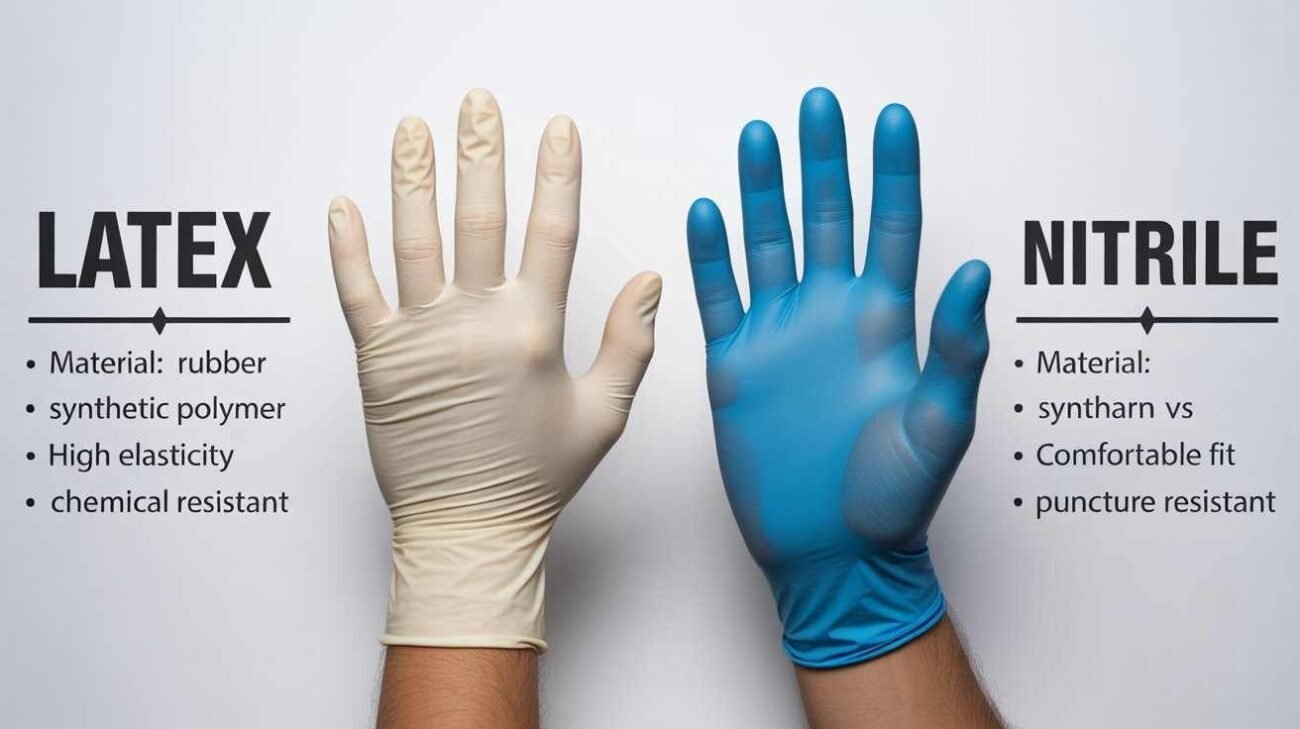
When deciding between latex gloves and nitrile gloves, it’s essential to consider their unique features. Latex gloves, made from natural rubber, offer a soft, flexible fit that feels like a second skin. This makes them perfect for tasks that require a gentle touch, like medical exams or lab work. Their tight fit ensures you can feel everything with great sensitivity. However, for anyone who has latex allergies, nitrile gloves are a much safer option.
On the other hand, nitrile gloves, crafted from synthetic rubber, are incredibly strong, durable, and provide excellent protection when working with sharp objects or chemicals. These gloves also come in a range of colours, so you can choose the style that suits you while still staying protected. INTCO Medical, a leading nitrile glove manufacturer, is known for its commitment to quality, innovation, and large-scale supply, ensuring that you get the best protection for your specific needs.
Tip: If you have allergies or sensitive skin, nitrile gloves are a much safer choice.
Here’s a simple chart to help you compare these gloves:
| Feature | Latex Gloves | Nitrile Gloves |
| Material | Natural rubber | Synthetic rubber |
| Elasticity | High | Moderate |
| Puncture Resistance | Moderate | High |
| Chemical Resistance | Good (less for harsh chemicals) | Excellent |
| Allergy Risk | Yes | No |
| Tactile Sensitivity | Excellent | Good |
Glove Materials
Natural Rubber Gloves
Latex gloves are made from natural rubber, giving them a soft, stretchy feel that fits your hands perfectly. This makes them ideal for tasks that require precision, helping you feel small things with ease. They’re also comfortable enough to wear for extended periods. On the eco-friendly side, latex gloves break down faster in nature, so they’re a better choice for those concerned about the environment. Just remember to dispose of them properly, as they rot naturally within a few years.
That said, the process of making latex gloves can have a negative impact on forests, so it’s important to choose gloves from responsible sources. While latex gloves provide excellent protection and comfort, it’s key to balance their natural materials with sustainability.
Note: Latex gloves are soft and flexible, but be sure to check if you have a latex allergy before using them.
Synthetic Rubber Gloves
Nitrile gloves, made from synthetic rubber, are incredibly strong and durable, providing excellent protection for jobs involving sharp tools and chemicals. Unlike latex gloves, they’re specifically designed to block a wide range of substances, including oils and solvents, which makes them ideal for industrial use.
They might feel a bit stiffer at first and could require more hand strength to move your fingers, but they last much longer. Although nitrile gloves don’t stretch as much as latex gloves, their comfort can vary depending on the brand. For the best experience, always choose high-quality nitrile gloves.
Nitrile gloves help shield you from:
- Nitrile gloves are made from synthetic rubber, offering tough and durable protection.
- They block harmful chemicals like solvents, oils, and acids, making them ideal for industrial work.
- Nitrile gloves resist pokes, scrapes, and sharp substances, providing superior protection during high-risk tasks.
- Although slightly stiffer, nitrile gloves are resistant to various chemicals and provide long-lasting protection.
Nitrile gloves, made from man-made materials, offer longer-lasting protection compared to latex gloves. Unlike latex gloves, which break down faster, nitrile gloves last longer in the trash, making them a more durable choice. If you’re looking for gloves that provide lasting protection and keep you safe from chemicals, nitrile gloves are a fantastic option for both industrial and medical tasks. They deliver superior protection without sacrificing comfort or flexibility, so you get the best of both worlds.
When comparing latex and nitrile gloves, latex stands out for its comfort and stretch, making it perfect for tasks that require flexibility. On the flip side, nitrile offers superior protection and safeguards you from chemicals, which is why it’s often preferred in industrial and medical settings. If comfort is your main priority, latex gloves are the way to go. However, if safety is more important, nitrile gloves are your best bet. In the end, it all comes down to whether you value comfort or safety more.
Safety and Protection
Resistance to Chemicals
Nitrile gloves excel at blocking chemicals such as oils, greases, and acids, providing superior protection in industrial and chemical settings. They offer excellent defense against tougher chemicals like kerosene and ammonium hydroxide, which latex gloves struggle with.
While latex gloves handle chemicals like isopropyl alcohol and citric acid fairly well, they don’t offer the same level of resistance to stronger substances. When it comes to chemical resistance, nitrile gloves are the go-to choice, thanks to their durability and superior protection against harsh chemicals.
| Chemical | Latex Glove Rating | Nitrile Glove Rating |
| Isopropyl Alcohol | Excellent | Excellent |
| Kerosene | Poor | Excellent |
| Acetic Acid | Good | Good |
| Ammonium Hydroxide | Good | Excellent |
| Acetone | Good | Not Recommended |
| Citric Acid | Excellent | Excellent |
Tip: Be sure to check the chemical before selecting your gloves.
Resistance to Punctures
When it comes to protecting your hands from sharp objects, nitrile gloves are the clear winner over latex gloves. They offer stronger resistance to pokes and cuts, even when they’re thinner. Unlike latex gloves, which can sometimes close up after a small poke, nitrile gloves keep you safe from sharp tools and rough materials. In fact, tests show nitrile gloves are more than twice as strong as latex gloves when it comes to puncture resistance. For jobs that need reliable, long-lasting protection, nitrile gloves are the best choice.
Ultimate Pathogen Barrier for Maximum Protection
When it comes to blocking viruses, bacteria, and other harmful germs, nitrile gloves offer the best pathogen protection. They’re especially reliable in healthcare, dental, and medical settings, providing excellent defense against blood germs and other dangerous substances.
In real-world use, nitrile gloves typically fail only 1% to 3% of the time, compared to latex gloves, which can fail between 0% and 4%. For tasks that require top-level protection and comfort, INTCO Medical recommends nitrile examination gloves for their allergy safety and maximum protection.
Allergy Considerations
Latex Sensitivities
Some people can develop allergies from latex gloves, especially after using them often. Common signs include itchy skin or red skin, and this usually happens because the body reacts to the proteins in natural rubber latex. In some situations, the reaction can become more serious and may need medical care. People who work in healthcare or use latex gloves regularly may face a higher risk. It’s smart to watch for any signs of sensitivity and switch to another glove option if needed.
The table below shows how latex allergies occur in different groups of people:
| Population Group | Prevalence Range (%) | Typical Prevalence (%) | Incidence Rate (% per year) |
| Healthcare Workers | 0 – 30 | 5 – 17 | 1 – 2.5 |
| General Population | <1 | ~1.37 | N/A |
| Atopic Individuals | 0.7 – 2 | – | – |
| Spina Bifida Patients | Up to 60 | – | – |
Some individuals, particularly healthcare workers or those with spina bifida, are at a higher risk of developing latex allergies. These allergies can lead to various skin issues, from mild itchiness to more severe reactions.
How latex allergies manifest can differ from person to person, so it’s important to stay alert. If you notice skin problems after using latex gloves, it’s a good idea to consider safer alternatives, especially if you’re in environments with a higher risk of exposure.
| Symptom Type | Details |
| Delayed-Type Contact Dermatitis | Red, scaly, itchy skin occurs 12-36 hours after exposure. |
| Immediate Allergic Reactions | Sneezing, runny nose, coughing, itchy throat, watery eyes occurring minutes after exposure. |
| Anaphylaxis | Hives, swollen throat, chest tightness, low blood pressure, loss of consciousness. |
| Latex-Fruit Syndrome | Oral itching, swelling, or anaphylaxis after eating certain fruits (e.g., banana, avocado). |
Note: If you have allergies, asthma, or eczema, you’re more likely to have a reaction to latex gloves.
Nitrile Gloves: Unmatched Safety and Protection

If you’re concerned about latex allergies, nitrile gloves are the safer option because they don’t contain any latex proteins. This makes them a great choice for anyone who has had a reaction to latex gloves before. With nitrile gloves, you can have peace of mind, knowing you won’t face the same allergy risks. Whether you’re working in healthcare or dealing with delicate tasks, nitrile gloves provide maximum protection without worrying about latex sensitivities.
Here’s why nitrile gloves are a great choice:
- Nitrile gloves are crafted from synthetic rubber, so they’re free of latex proteins, making them a safer choice for many.
- These gloves offer top-notch protection from chemicals, pokes, and other risks, which makes them perfect for high-risk tasks.
- For those with sensitive skin or allergies, nitrile gloves are an excellent choice since they don’t cause latex allergies.
- Although it’s rare to have a reaction to nitrile gloves, there are special options available for individuals with extremely sensitive skin.
- Nitrile gloves are designed to meet the needs of various industries, providing both comfort and safety for day-to-day use.
Studies have found that nitrile gloves are a safe and reliable option for people who can’t use latex. They offer both comfort and protection, so you don’t have to worry about latex allergies.
Applications
When selecting gloves, it’s important to keep your job and needs in mind. Different environments come with unique dangers and rules, so it’s essential to consider comfort, protection, and allergies before making your choice. Whether you’re working in healthcare or handling chemicals, picking the right glove can keep you safe while ensuring you stay comfortable. The right pair of gloves offers maximum protection without sacrificing flexibility, giving you the confidence to tackle tasks in any setting.
Healthcare
In hospitals and clinics, nitrile gloves are the preferred choice because they provide outstanding protection against chemicals and viruses. They also don’t cause latex allergies, making them a safer option for those with sensitivities.
Latex gloves, on the other hand, offer an excellent fit and superior comfort, especially for tasks that require a fine sense of touch, like during exams or surgery. While both types of gloves offer solid protection, nitrile gloves are better for high-risk tasks, while latex gloves shine when comfort is key.
Tip: If you or your patients have allergies, it’s best to choose nitrile gloves for extra protection.
| Glove Type | Protection Level | Comfort & Fit | Allergy Risk | Best Use in Medical |
| Nitrile | High | Good | Low | Exams, procedures |
| Latex | High | Excellent | High | Precision tasks |
| Vinyl | Moderate | Fair | None | Low-risk tasks |
Industrial Gloves
When you’re working in factories, labs, or handling cleaning tasks, nitrile gloves provide the best protection. They effectively block chemicals, solvents, oils, and even poisons, making them perfect for tough jobs. Their strong barrier keeps you safe when handling sharp objects or rough materials.
While latex gloves offer comfort, they don’t provide the same level of protection against harsh chemicals. For reliable, long-lasting protection that stands up to demanding tasks, nitrile gloves are always the best choice.
- Nitrile gloves provide excellent chemical protection and poke resistance, making them the ideal choice for demanding tasks.
- Latex gloves are perfect for jobs requiring fine touch and precision, as long as there are no latex allergies.
- Vinyl gloves are great for light, easy tasks, offering moderate protection with minimal risk.
Food Handling Gloves: Essential Protection for Safety
When you’re handling food, it’s essential to choose gloves that ensure both safety and a clean environment. Nitrile gloves are often the best option as they are safe for food, protect against allergies, and keep harmful chemicals out. While latex gloves are comfortable, they can trigger allergies, so they’re generally not recommended for food-related tasks.
Vinyl gloves are suitable for short jobs but don’t provide the same level of protection as nitrile. For quick food prep and fast changes, polyethylene gloves are an affordable and easy-to-use choice to ensure safe handling.
General Use Gloves
When you’re choosing gloves for cleaning, gardening, or crafts, it’s essential to pick the right gloves for your specific job. Nitrile gloves are ideal for more demanding tasks because they offer long-lasting protection and durability. If you’re working with delicate materials, latex gloves are a great option—they’re comfortable and allow for easy movement.
For lighter, less risky jobs, vinyl gloves provide basic protection and are perfect for quick tasks. If you need flexibility, polyethylene gloves are a budget-friendly option that’s great for fast changes. Choose the gloves that best suit your task for comfort and safety.
- Nitrile gloves are perfect for cleaning and painting as they offer excellent chemical protection and last longer.
- Latex gloves are a great choice when you need comfort and a high level of touch sensitivity, perfect for precise jobs, provided you’re not allergic.
- For quick tasks or less hazardous jobs, vinyl and polyethylene gloves are an affordable, basic solution that still offers protection without the need for premium materials.
Take a look at this table to see the different glove types and where they’re best used:
| Glove Type | Durability | Sensitivity | Chemical Resistance | Allergy Risk | Best Use Environments |
| Nitrile | High | Good | Excellent | Low | Medical, industrial, food |
| Latex | Moderate | Excellent | Good | High | Medical, precision, general |
| Vinyl | Low | Fair | Fair | None | Food, low-risk, general |
| Polyethylene | Low | Poor | Limited | None | Light food, short tasks |
Always select gloves that suit your task. Make sure to consider safety, comfort, and any potential allergies before you decide.
When comparing latex and nitrile gloves, each one shines in its own way. Check out the table below to find the perfect fit for your needs:
| Best For | Latex Gloves | Nitrile Gloves |
| Comfort & Sensitivity | Great for detailed tasks | Good, but less sensitive than latex |
| Allergy Concerns | Not ideal for sensitive skin | Safe for most individuals |
| Chemical Resistance | Effective with mild liquids | Best for harsh chemicals |
| Durability | Less durable, more prone to damage | Stronger, more puncture-resistant |
| Environment | Breaks down faster in nature | Less biodegradable, takes longer to decompose |
When choosing gloves for everyday tasks, it’s important to strike the right balance between comfort and protection. Nitrile gloves are great for industrial and medical settings, offering strong protection against chemicals without sacrificing flexibility. On the other hand, latex gloves are known for their excellent fit and tactile sensitivity, making them ideal for jobs where feeling and comfort matter—just as long as you’re not allergic.
Both types offer solid protection, so your choice will depend on the job and your specific needs. Whether you need reliable protection, comfort, or allergy safety, INTCO Medical provides gloves designed for every application.
Conclusion
When deciding between latex and nitrile gloves, it’s important to focus on comfort, protection, and allergy safety. Nitrile gloves are great for tasks that involve chemicals or sharp objects, offering superior chemical and puncture resistance while lasting longer. They’re perfect for industries like medical, industrial, and food handling.
On the other hand, latex gloves are known for their excellent comfort and fit, giving you great tactile sensitivity for jobs that require precision – just make sure you’re not allergic to them. By understanding what matters most for your specific needs, you’ll ensure both comfort and safety every time.
Frequently Asked Questions(FAQ;s)
What’s the difference between latex and nitrile gloves?
Latex gloves are made from natural rubber and are known for their comfort and fit. They’re ideal for jobs requiring tactile sensitivity but come with a higher allergy risk. On the other hand, nitrile gloves are made from synthetic rubber, offering superior protection against chemicals, punctures, and allergens. They’re perfect for high-risk tasks like industrial, medical, and food-related work.
Which gloves are better for handling chemicals?
Nitrile gloves are the best choice for chemical resistance. They protect against harsh chemicals, solvents, and oils, making them ideal for industrial and chemical settings. Latex gloves offer protection against mild chemicals but lack the durability to withstand harsher substances.
Are nitrile gloves a safer option for people with latex allergies?
Yes, nitrile gloves are latex-free, making them a safer option for individuals with latex allergies. They provide the same level of protection and comfort without the risk of triggering allergic reactions that latex gloves might cause.
Which gloves are best for medical tasks?
Latex gloves are excellent for medical tasks due to their superior fit and tactile sensitivity, making them ideal for delicate procedures. However, nitrile gloves are a safer choice for healthcare workers with allergies and offer strong protection against chemicals and pathogens.
What are the environmental impacts of latex vs nitrile gloves?
Latex gloves are biodegradable, breaking down faster in nature, making them a more eco-friendly option. However, the production of latex gloves can have a negative impact on forests. In contrast, nitrile gloves are less biodegradable and take longer to decompose, making them less environmentally friendly.
Which gloves are most durable?
Nitrile gloves are more durable and resistant to punctures, making them the go-to choice for tough, high-risk jobs. Latex gloves, while comfortable, are less durable and prone to damage.
Can I use latex or nitrile gloves for food handling?
Nitrile gloves are an excellent choice for food handling because they protect against allergens, chemicals, and ensure food safety. Latex gloves are not recommended for food tasks due to the risk of allergic reactions.
What’s the cost difference between latex and nitrile gloves?
Latex gloves usually cost less than nitrile gloves. However, nitrile gloves offer longer-lasting protection and are the better choice for high-risk tasks, making the price difference worthwhile for some industries.
Read More
Why Do Blue Nitrile Gloves Turn Yellow? Find Out Now!
Are Blue Nitrile Gloves Food Safe? Shocking Facts